

Our Research / Quantum gravity & holography
Holography is a startling idea: a universe with gravity, black holes and curved space can be exactly equivalent to an ordinary quantum system with no gravity at all, living on that universe's boundary. If that is right, space itself is not fundamental. It emerges, the way a hologram's depth emerges from a flat film. Per Kraus and Michael Gutperle have spent decades turning this idea into working tools, and using it to ask what black holes are made of and whether the same trick can describe our own, flat, spacetime.
Gravity does not play by quantum rules
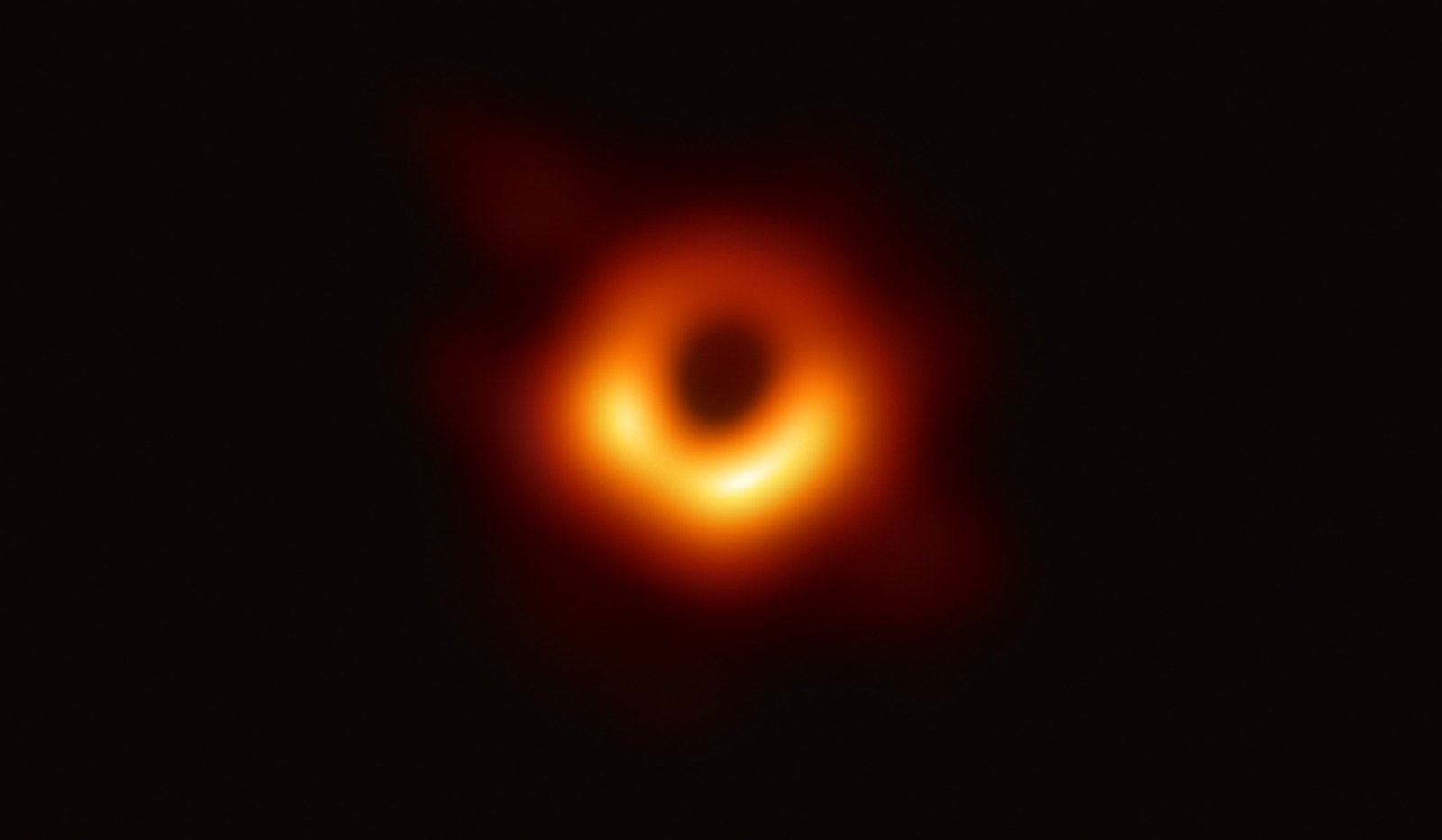
Every force in nature except gravity is described by quantum theory. Gravity, in Einstein's theory, is the shape of spacetime itself, and when you try to make that shape quantum the calculations break down. Black holes make the problem sharp. In the 1970s Jacob Bekenstein proposed that a black hole has an entropy, a count of hidden internal states, and Stephen Hawking showed that black holes glow faintly and slowly evaporate. But a black hole in Einstein's theory is perfectly smooth and featureless. So what are those internal states, and where does the information that falls in end up?
A dictionary between two worlds
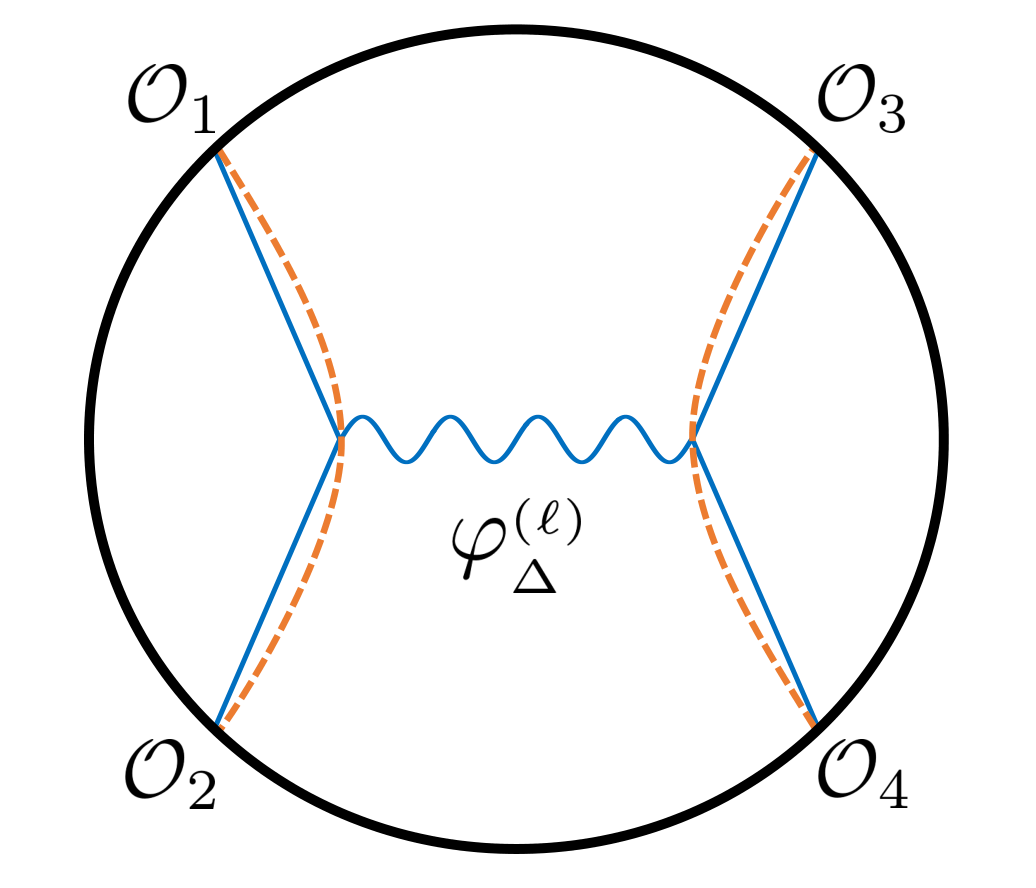
The most powerful clue so far is the AdS/CFT correspondence, proposed in 1997. It says that gravity inside a particular kind of curved universe (anti-de Sitter space, "AdS", which behaves like a box with walls infinitely far away) is the same physics as a quantum system without gravity (a conformal field theory, "CFT") living on the walls of the box. To use it, you need a dictionary that translates every quantity on one side into the other.
In 1999 Kraus and Vijay Balasubramanian wrote one of its most widely used entries: a recipe for the energy and momentum of a gravitating spacetime, read off at its boundary. Their result reproduced the known masses of black holes and matched a subtle vacuum energy on the quantum side. Kraus has also used the dictionary to count black-hole states. With Finn Larsen (2005) he showed how corrections to Einstein's equations change black-hole entropy, and how those corrections are tied to quantum anomalies. Much earlier, with Frank Wilczek (1994), he showed that when a black hole's own gravity acts back on the radiation it emits, that radiation is no longer perfectly thermal, a correction later connected to how information might escape a black hole.
Shapes that change when you look differently
Gutperle's work asks what kinds of spacetimes string theory allows, and what they mean on the quantum side. In 2003, with Dongsu Bak and Shinji Hirano, he found an exact solution of type IIB supergravity, the low-energy limit of string theory, in which the strength of the force on the boundary jumps from one value to another across a wall. This "Janus" solution became the starting point for a large family of holographic descriptions of interfaces and defects, places where two quantum systems meet, which Gutperle and his students continue to build and study.
In 2011 Gutperle and Kraus teamed up to find black holes in "higher-spin gravity", a cousin of Einstein's theory with extra, more elaborate force carriers that is thought to capture some features of string theory. With Martin Ammon and Eric Perlmutter they then found something striking: in this theory, a symmetry transformation can turn what looks like a traversable wormhole into a black hole with a smooth horizon. Whether a spacetime "has a horizon" can depend on how you describe it, a strong hint that geometry is a derived, approximate notion rather than the bedrock.
From a box to the real world
Our universe is not an AdS box, and Kraus and collaborators have been pushing holography toward more realistic settings. One line puts a wall at a finite distance inside the box and asks what the boundary theory becomes; with Junyu Liu and Donald Marolf (2018), Kraus tested a proposal linking this to a solvable deformation of the boundary theory known as "T T-bar".
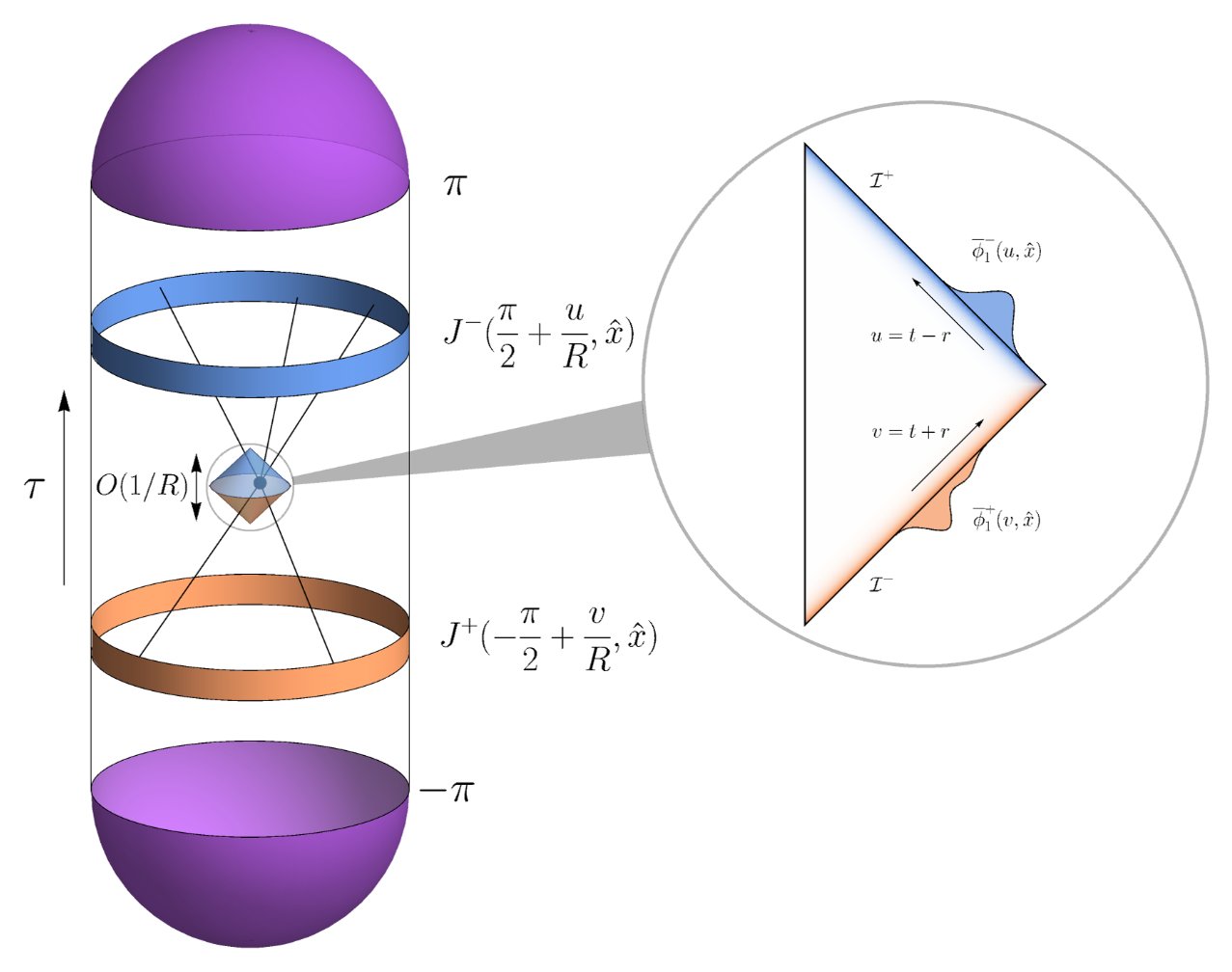
Another line aims directly at flat space. In particle physics, everything measurable about collisions is packaged in the "S-matrix", which maps incoming particles to outgoing ones. Kraus and Richard Myers (2024) rewrote the S-matrix as a partition function living on the boundary of flat spacetime, at the distant places where light rays begin and end. They showed how it fits inside ordinary AdS holography: a small patch at the center of a very large AdS box looks flat, and the boundary data of one maps onto the other. A 2026 paper extended the approach to gravity itself, deriving known "soft graviton" theorems from symmetries of that boundary.
Why it matters
Holography is the clearest working example of spacetime emerging from something more basic. Each new entry in the dictionary, each new solution and each extension toward flat space tests whether that picture can describe the universe we live in.
Key papers
- Self-interaction correction to black hole radianceP. Kraus, F. Wilczek · (1994). arXiv:gr-qc/9408003
- A stress tensor for anti-de Sitter gravityV. Balasubramanian, P. Kraus · (1999). arXiv:hep-th/9902121
- A dilatonic deformation of AdS5 and its field theory dualD. Bak, M. Gutperle, S. Hirano · (2003). The Janus solution. arXiv:hep-th/0304129
- Microscopic black hole entropy in theories with higher derivativesP. Kraus, F. Larsen · (2005). arXiv:hep-th/0506176
- Higher spin black holesM. Gutperle, P. Kraus · (2011). arXiv:1103.4304
- Spacetime geometry in higher spin gravityM. Ammon, M. Gutperle, P. Kraus, E. Perlmutter · (2011). arXiv:1106.4788
- Carrollian partition functions and the flat limit of AdSP. Kraus, R. M. Myers · (2024). arXiv:2407.13668
Watch
More questions we are asking
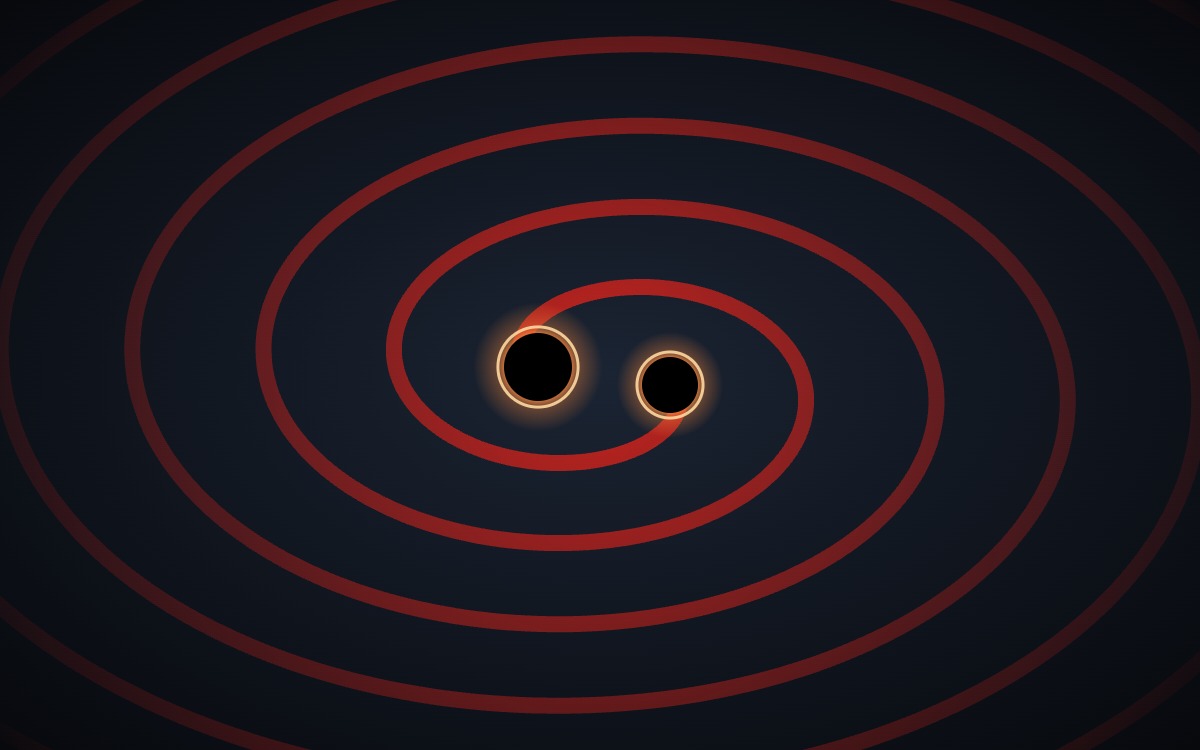 Gravity & amplitudesWhat can particle collisions teach us about colliding black holes?
 SymmetryWhat is a symmetry, and what does it forbid?
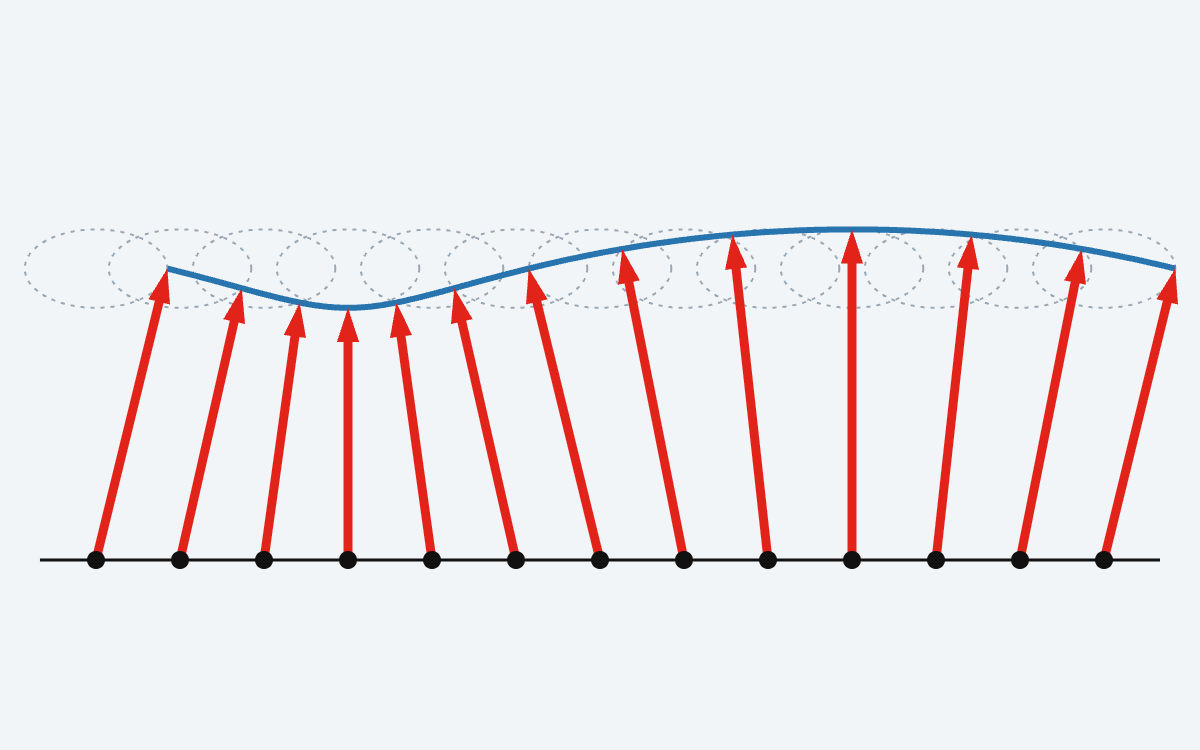 Quantum matterHow do spins, electrons and topology create new states of matter?
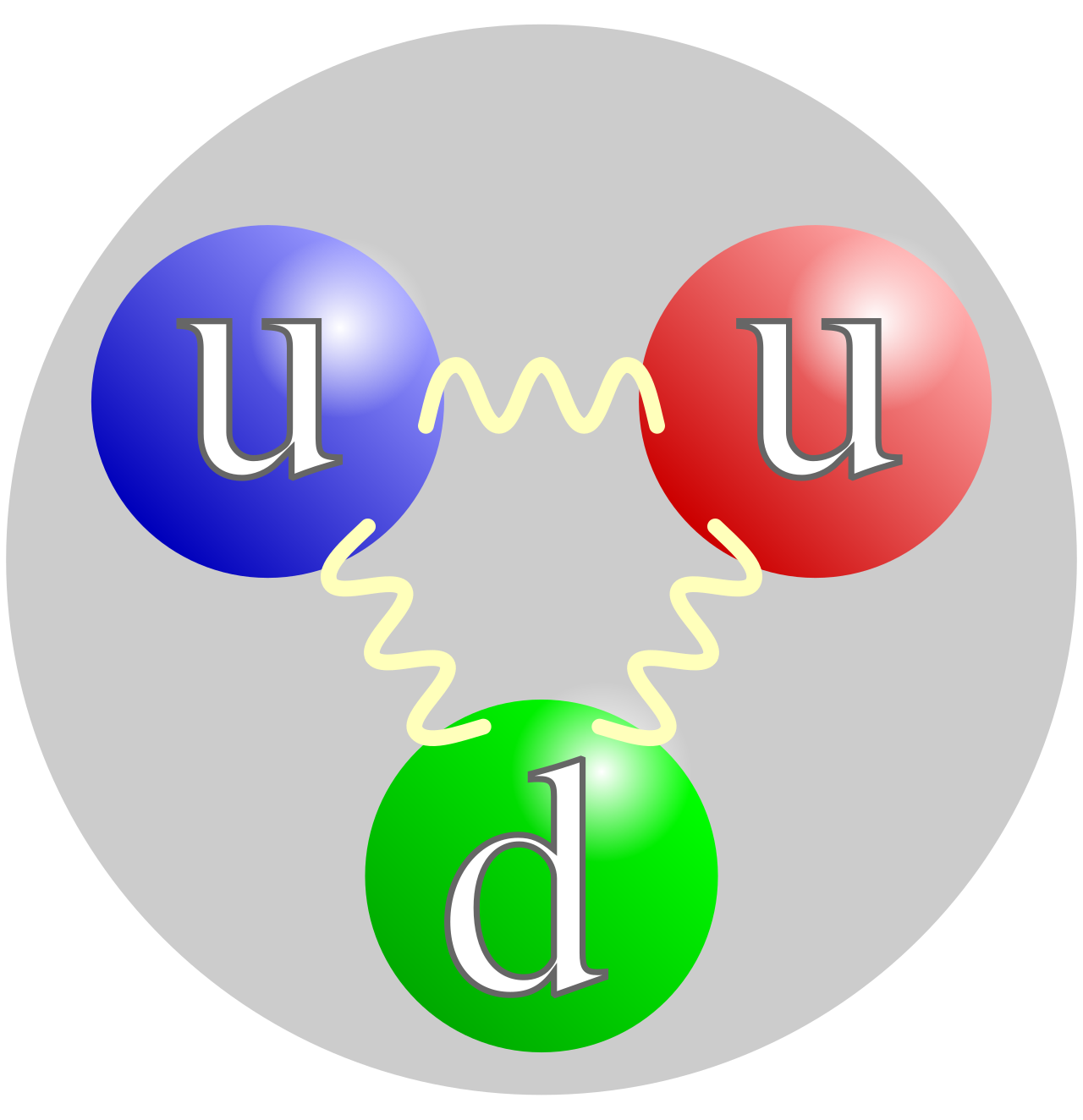 Inside the protonHow do quarks and gluons build the proton?
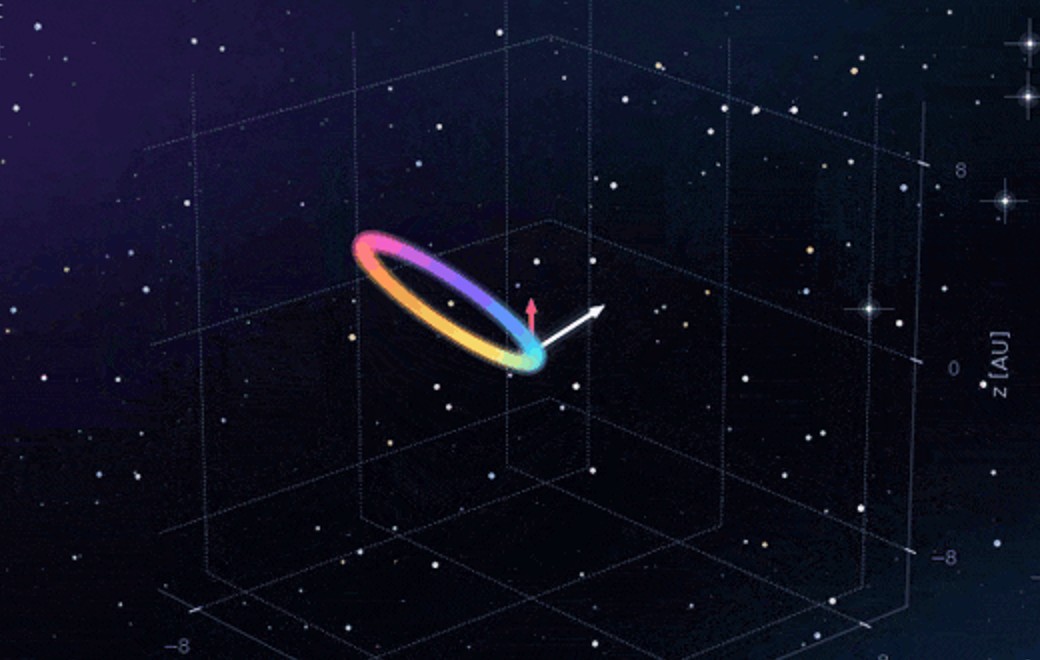 Planets, stars & black holesHow does gravity's many-body dance shape the cosmos?
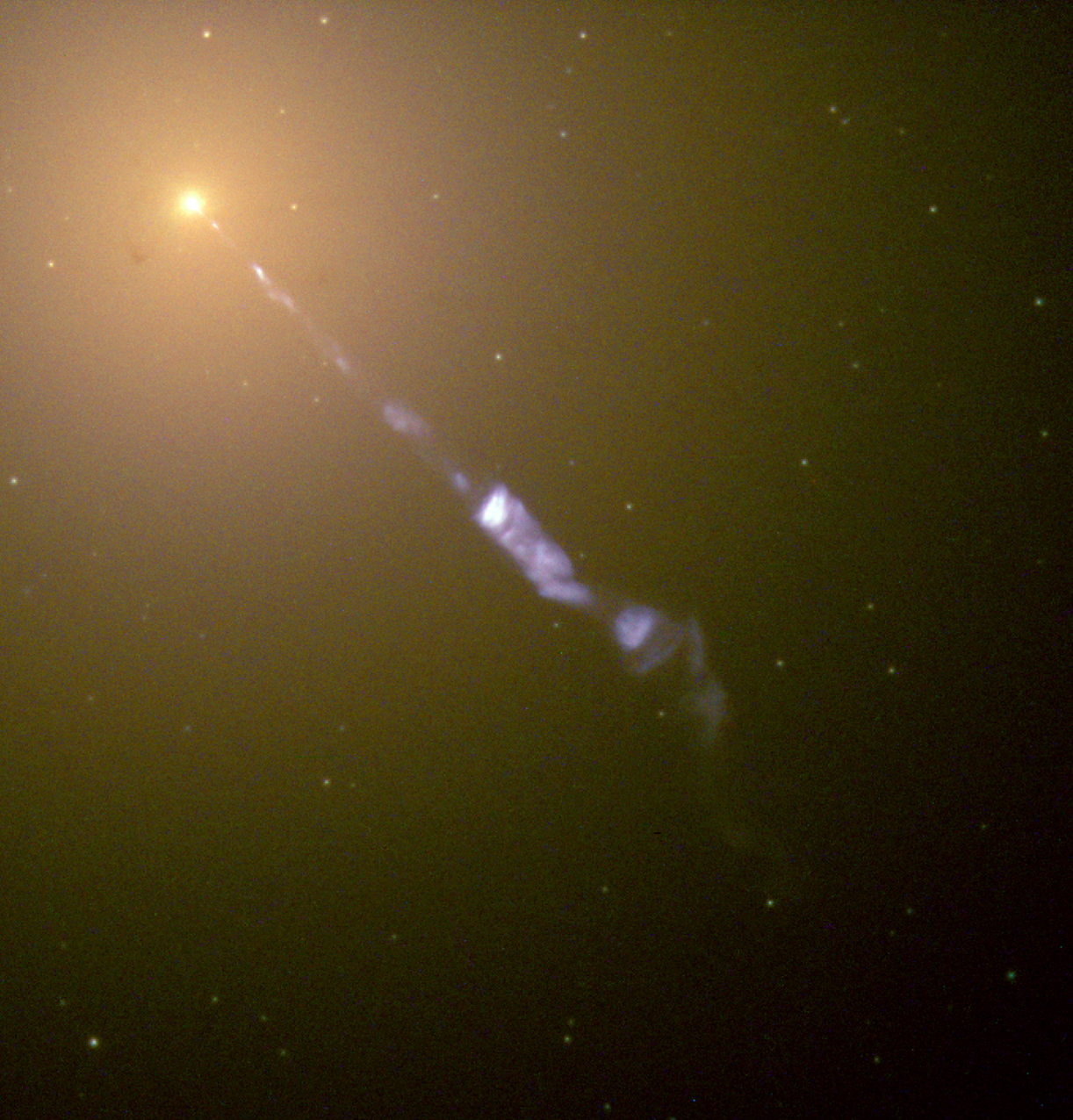 Extreme plasmasHow do cosmic plasmas make magnetic fields and cosmic rays?
 Living matterHow do living systems sense, learn and adapt?