

Our Research / Planets, stars & black holes
Two bodies orbiting each other is a problem Newton solved. Add a third, distant one and the picture changes completely: over thousands to millions of years its gentle, steady tug can stretch an orbit until it nearly grazes its star, or tip it over until it runs backwards. Our astrophysicists use this slow many-body choreography, together with the cooling of dead stars and the flow of gas in the infant universe, to read the history written into planets, star clusters and black holes.
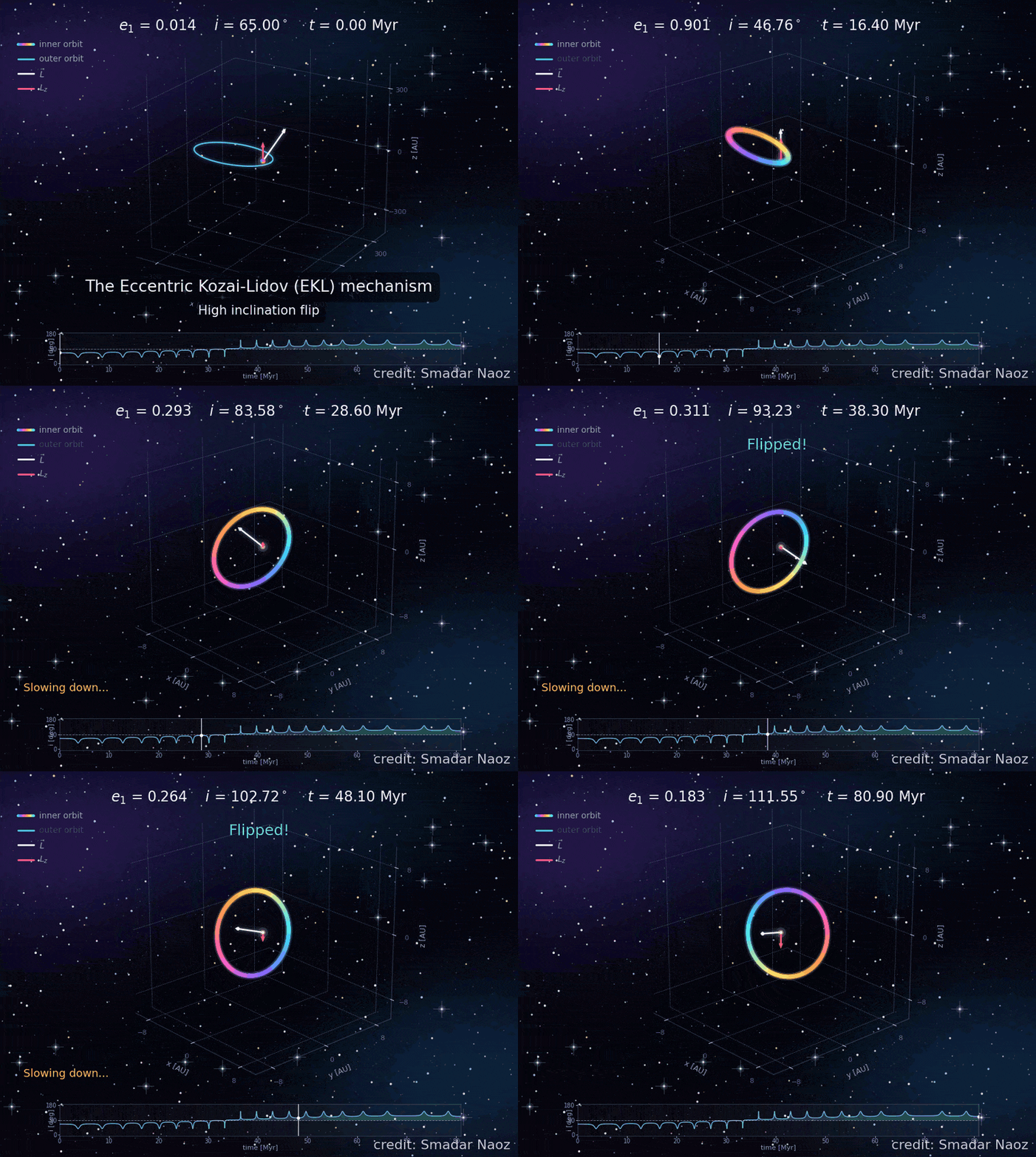
A third body changes everything
Most stars are not alone. Many have a stellar companion, and planetary systems often host several giant planets. When one pair sits close together and a third object orbits much farther out, astronomers call it a hierarchical triple. Energy barely changes in such a system, so the sizes of the orbits stay fixed, but the orbits trade angular momentum. That means their shapes and tilts can swing back and forth over times far longer than a single orbit. Yoshihide Kozai and Mikhail Lidov described the basic version of this effect in the early 1960s, and it was long treated as a tidy, regular oscillation.
Smadar Naoz and collaborators showed that it is much richer than that (others reached related conclusions independently). When the next layer of the calculation is kept (the so-called octupole terms, which matter when the outer orbit is itself elongated), the inner orbit can be driven to extreme eccentricities, almost a straight line in and out, and its tilt can flip from prograde to retrograde. She named this the eccentric Kozai-Lidov (EKL) mechanism and reviewed its many applications, from planets to supermassive black holes, in the Annual Review of Astronomy and Astrophysics (2016).
Backwards planets
Hot Jupiters are giant planets that orbit their stars in just a few days, far closer than any planet in our Solar System. By 2010, measurements showed that roughly one in four appeared to orbit against the direction of their star's spin. How could a planet end up going backwards?
In a 2011 Nature paper, Naoz and collaborators showed that a distant planetary companion can do it. EKL slowly flips the inner giant's orbit and, at the same time, drives it to such high eccentricity that it briefly swoops very close to its star. Tides from the star then drain orbital energy and circularize the orbit, stranding a hot Jupiter that may orbit backwards. The idea is still being tested against data: in 2024 Grant Weldon, Naoz and Brad Hansen found that the eccentricities of present-day "cold Jupiters" (giant planets on wider orbits) in single-planet systems are consistent with EKL driven by companion stars.
Planets built where they are
Not every close-in planet migrated there. Planet surveys have found many "super-Earths" and "hot Neptunes", planets bigger than Earth but smaller than Neptune, often packed into tight multi-planet systems on orbits much smaller than Earth's. Brad Hansen and Norm Murray (2011) showed that the observed population can be reproduced if these planets assemble roughly in place, provided about 50 to 100 Earth masses of rocky material first drifts inward to within the Earth-Sun distance. More recently Hansen, Tze-Yeung Yu and Yasuhiro Hasegawa (2024) showed that when the gas disk around a young star disperses, it can break up chains of planets locked in orbital resonance, which helps explain the spacing of planets the Kepler mission sees today.
White dwarfs as clocks
When a Sun-like star dies it leaves a white dwarf, an Earth-sized ember that simply cools and fades. Because the cooling follows well-understood physics, the faintest white dwarfs in a star cluster tell you how long it has been cooling: a clock independent of other methods. Using Hubble images and his own cooling models, Hansen and colleagues dated the globular cluster M4 to about 12.7 billion years (2002).
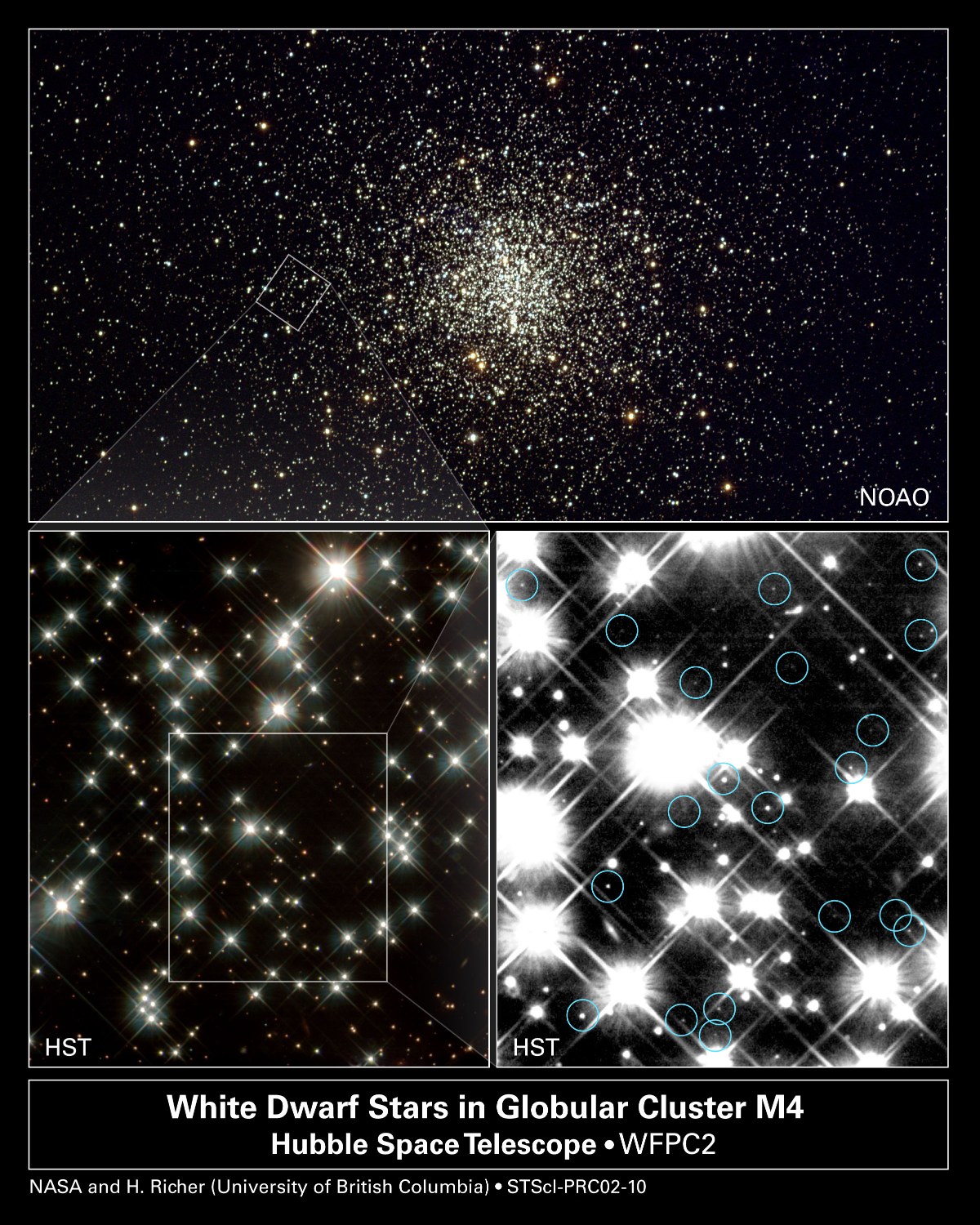
In a 2013 Nature paper the team applied the method to 47 Tucanae, finding an age of 9.9 billion years, about 2 billion years younger than the metal-poor cluster NGC 6397 under the same models. That age gap is evidence that metal-rich clusters like 47 Tucanae formed later than the oldest halo clusters, a clue to how the Milky Way was assembled.
Star clusters without dark matter
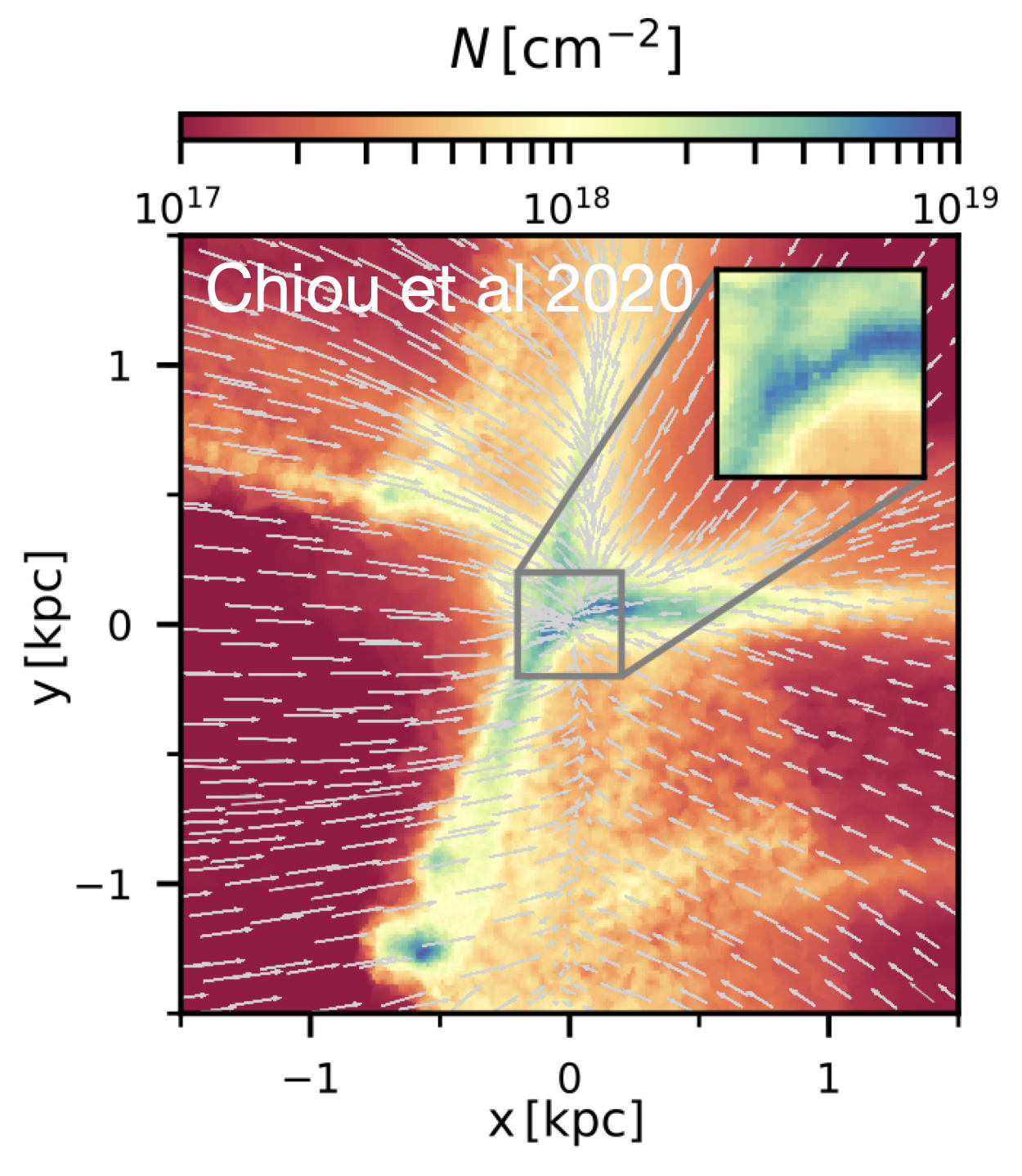
Shortly after the Big Bang, ordinary gas and dark matter were streaming past each other at supersonic speeds, an effect identified by Dmitriy Tseliakhovich and Christopher Hirata in 2010. Naoz and Ramesh Narayan (2014) realized this streaming could shift clumps of gas away from the dark matter clumps that should have held them, so that some gas clouds collapse on their own. Those dark-matter-free clouds could become globular clusters, while the gas-starved dark matter clumps might survive as dark satellite galaxies. Naoz's "Supersonic Project" simulations have since shown that these supersonically induced gas objects (SIGOs) can form stars, and the group is predicting what the James Webb Space Telescope could see of them.
Black holes in triples
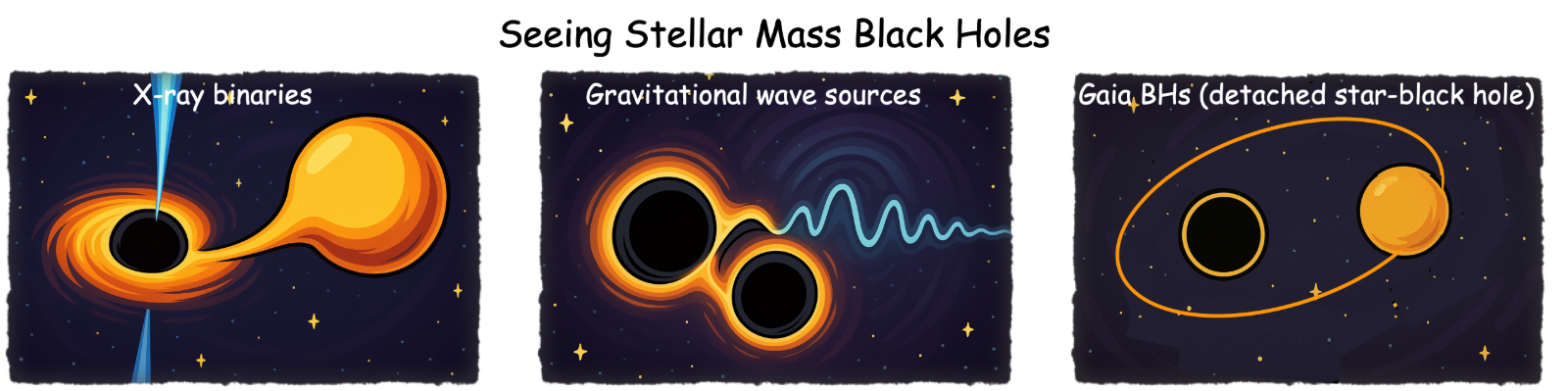
Triples also matter for black holes. When two black holes merge, the new black hole gets a recoil kick. Naoz and collaborators (2025) showed that a distant star orbiting the pair can then be flung out, captured into a wide orbit like the black-hole companions found by the Gaia satellite, fed to the black hole as an X-ray binary, or torn apart in a flare that would be a visible counterpart to a gravitational-wave event. A single three-body story links populations previously studied separately.
Key papers
- The white dwarf cooling sequence of the globular cluster Messier 4B. M. S. Hansen et al. · (2002). arXiv:astro-ph/0205087
- Hot Jupiters from secular planet-planet interactionsS. Naoz, W. M. Farr, Y. Lithwick, F. A. Rasio, J. Teyssandier · (2010; Nature 2011). arXiv:1011.2501
- Migration then assembly: formation of Neptune mass planets inside 1 AUB. M. S. Hansen, N. Murray · (2011). arXiv:1105.2050
- An age difference of 2 Gyr between a metal-rich and a metal-poor globular clusterB. M. S. Hansen, J. S. Kalirai et al. · (2013). arXiv:1308.0032
- Globular clusters and dark satellite galaxies through the stream velocityS. Naoz, R. Narayan · (2014). arXiv:1407.3795
- The eccentric Kozai-Lidov effect and its applicationsS. Naoz · (2016). arXiv:1601.07175
- The stationary points of the hierarchical three body problemB. M. S. Hansen, S. Naoz · (2020). arXiv:2011.07103
- Triples as links between binary black hole mergers, their electromagnetic counterparts, and galactic black holesS. Naoz, Z. Haiman, E. Quataert, L. Holzknecht · (2025). arXiv:2508.13270
Watch
More questions we are asking
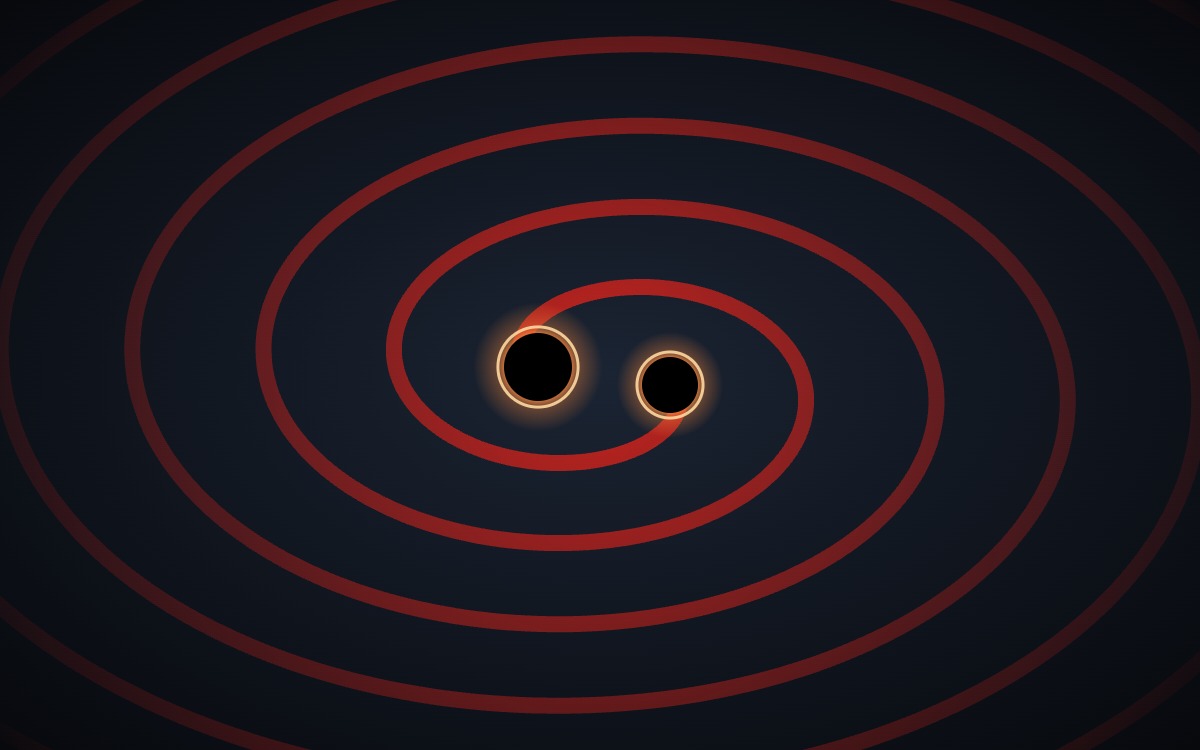 Gravity & amplitudesWhat can particle collisions teach us about colliding black holes?
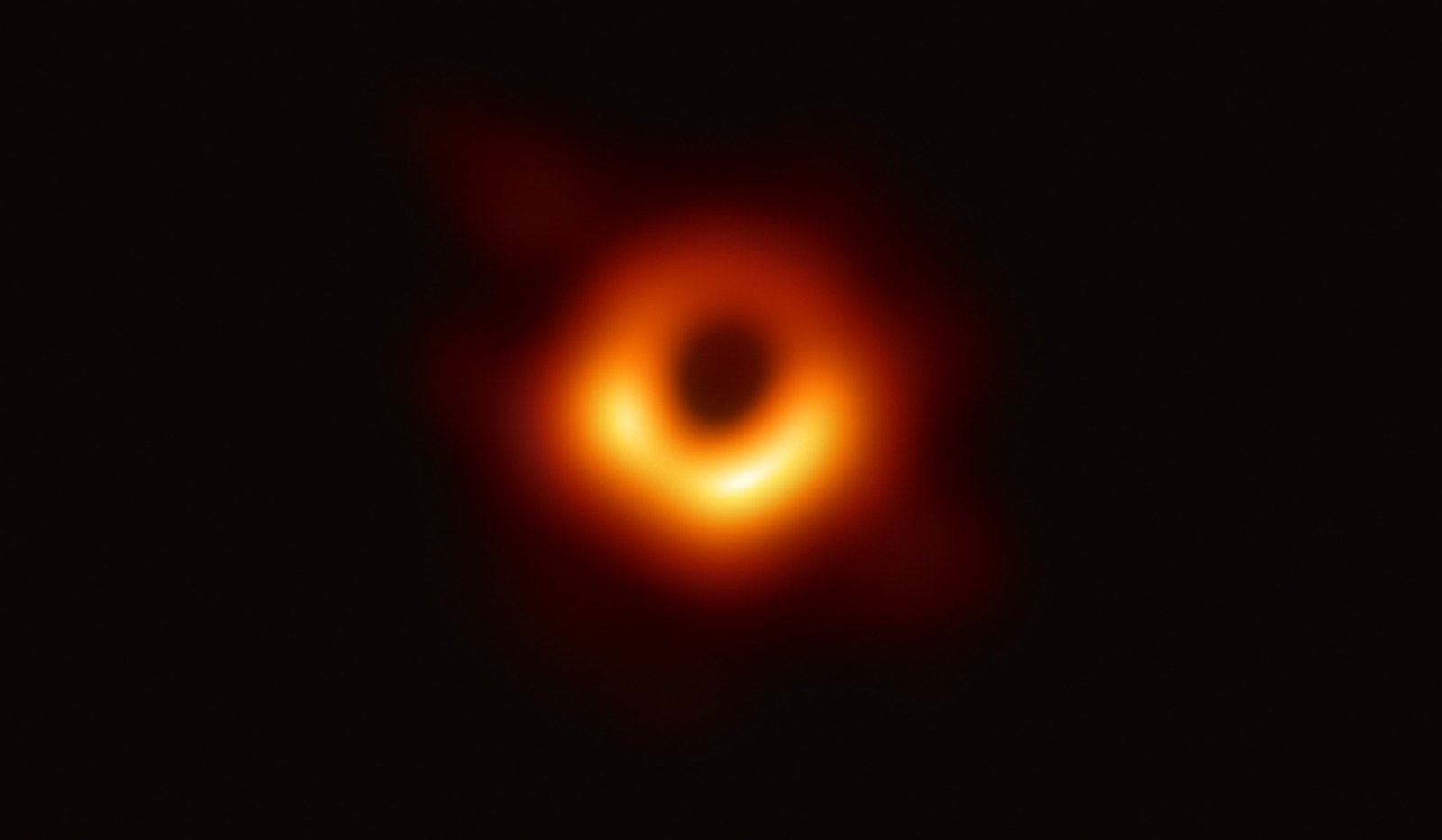 Quantum gravity & holographyWhat is spacetime made of?
 SymmetryWhat is a symmetry, and what does it forbid?
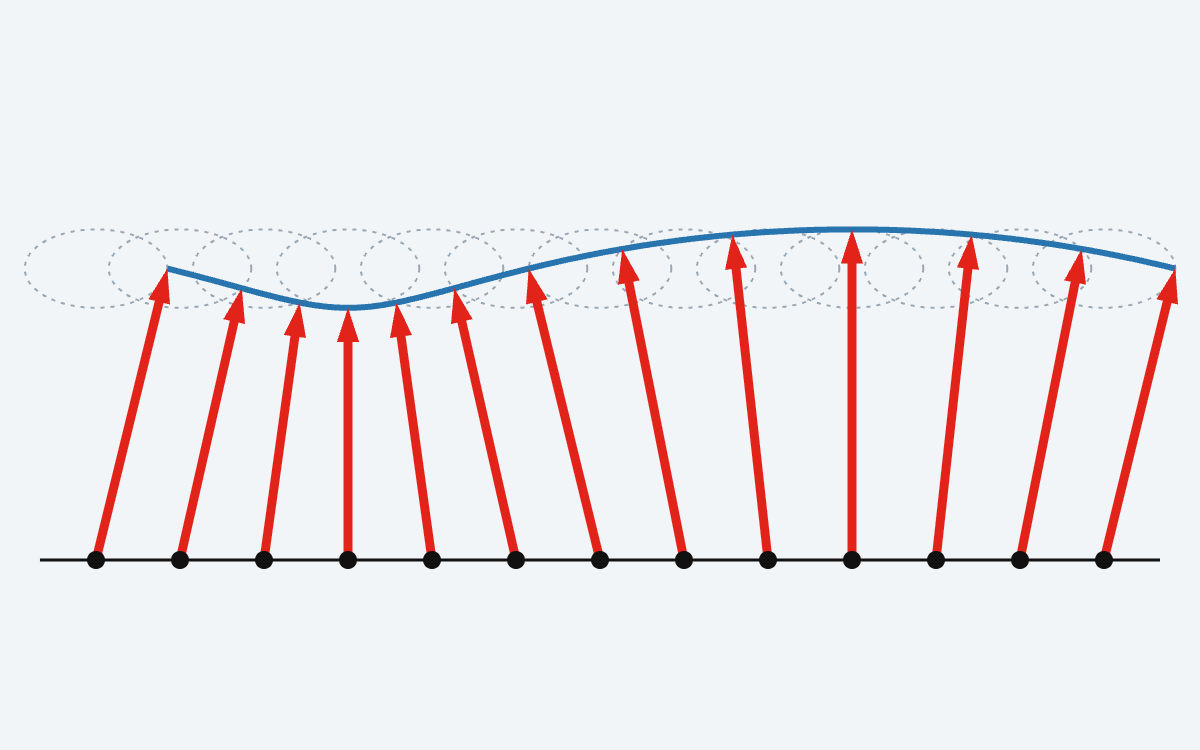 Quantum matterHow do spins, electrons and topology create new states of matter?
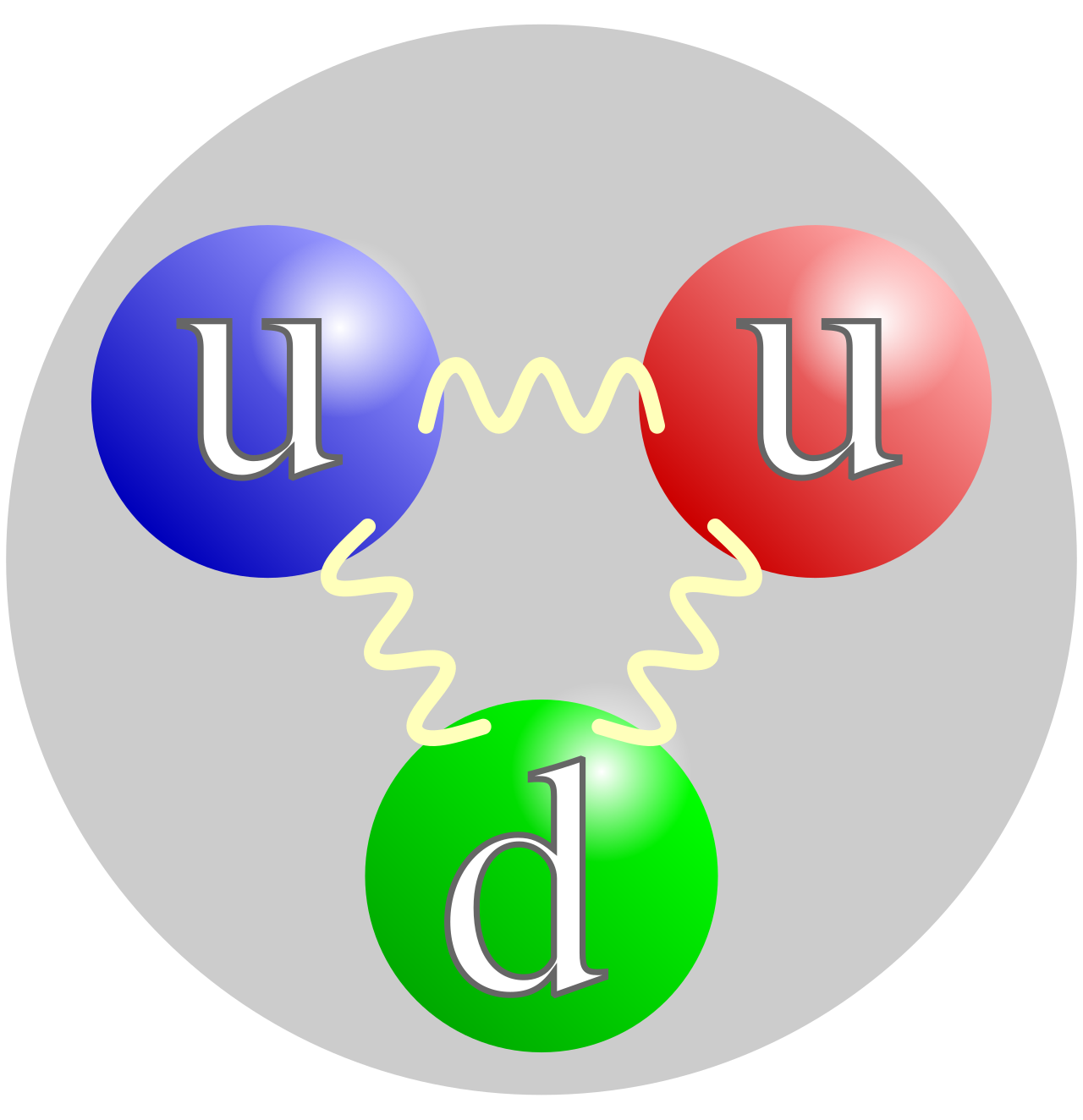 Inside the protonHow do quarks and gluons build the proton?
 Extreme plasmasHow do cosmic plasmas make magnetic fields and cosmic rays?
 Living matterHow do living systems sense, learn and adapt?