

Our Research / Living matter
Every time you catch a cold or get a vaccine, your body runs a fast evolution experiment: within a couple of weeks, immune cells mutate, compete and are selected until they make antibodies that grip the invader tightly. Shenshen Wang's group found that this contest is decided partly by plain mechanics. B cells literally pull antigen off neighboring cells, and that molecular tug-of-war shapes what the immune system can learn and where its learning stalls.
An evolution lab inside your lymph nodes
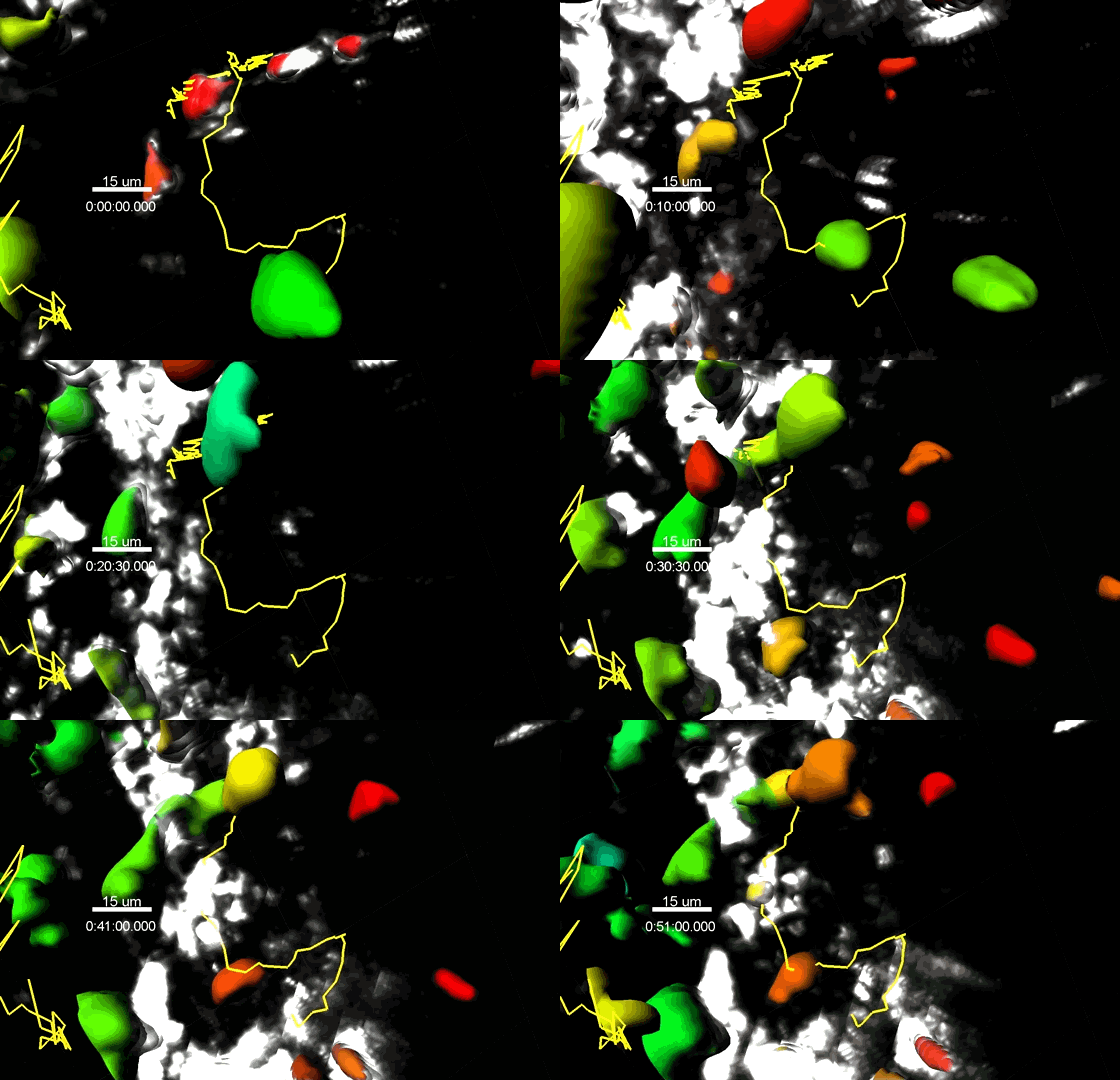
After an infection or vaccination, B cells (the cells that make antibodies) gather in small structures in the lymph nodes and spleen called germinal centers. There they divide rapidly, deliberately scramble the genes for their antigen receptors, and then compete to capture antigen, the molecular fingerprint of the pathogen. Cells that capture more get help to survive and multiply; the rest die. Repeated over many rounds, this mutation-and-selection loop is called affinity maturation, and it is Darwinian evolution compressed into days.
That makes it a natural problem for statistical physics: a large population of interacting agents, noise at every step, and selection pressures that change over time. As a postdoc at MIT, Wang was lead author of a 2015 Cell study, done with immunologists and engineers, that built a computer model of affinity maturation against several variants of the same antigen. The model suggested that showing the immune system several HIV envelope variants all at once creates conflicting selection pressures that can stall maturation, and that presenting them one after another works better. Experiments in mice supported the sequential strategy for producing cross-reactive antibodies aimed at a shared, conserved site. It was not a vaccine, but it showed that the timing of a vaccine could be designed to steer evolution.
A tug-of-war at the cell surface
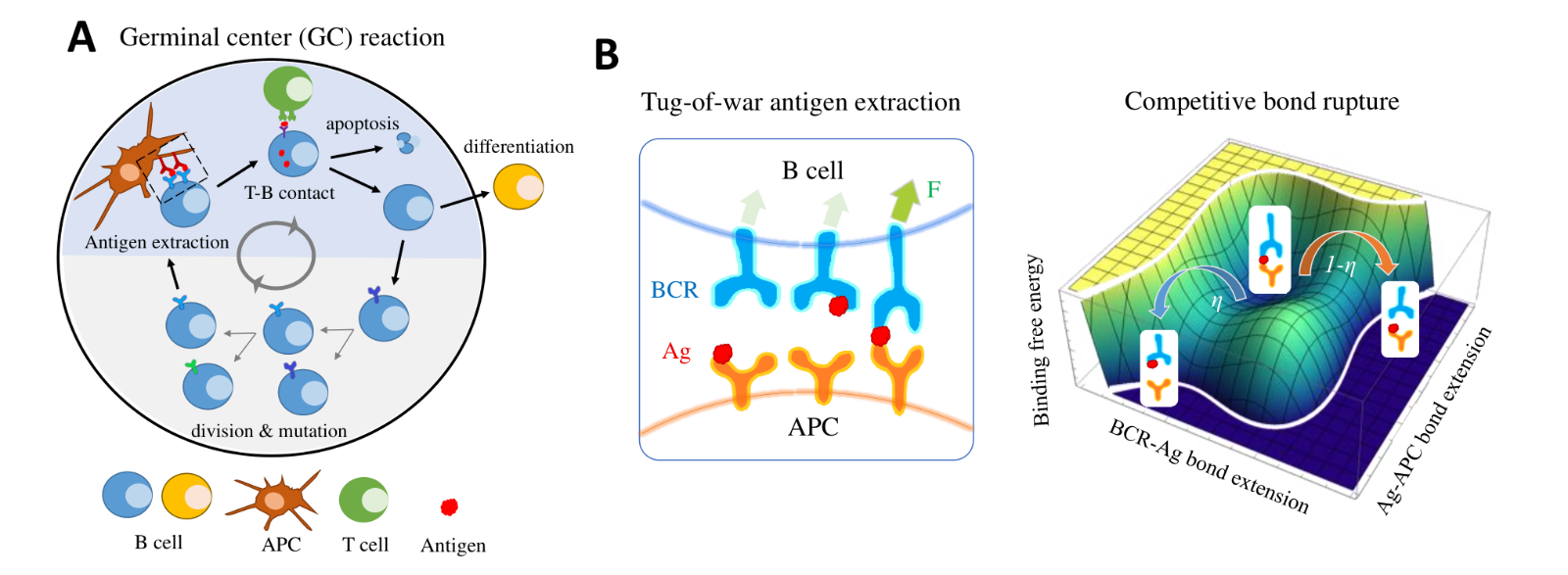
Experiments by immunology groups had shown that B cells do not just bind antigen. They grab it on the surface of another cell and pull it off using forces generated inside the cell. Wang and Hongda Jiang asked what this means for evolution. In their model (PNAS and Physical Review X, 2023), extraction is a random contest between two bonds that can break: the one between the B-cell receptor and the antigen, and the "tether" holding the antigen to the presenting cell.
The tug-of-war has striking consequences. Pulling against a stiff tether makes B cells much better at telling apart receptors with similar affinities, at the cost of extracting less antigen overall. Stronger pulling can speed up adaptation but risks wiping out the population, so there is a best range of forces in between. Most strikingly, the strength of the tether sets a ceiling on how good antibodies can get, offering a physical explanation for why affinity maturation appears to plateau. Variability in how hard individual cells pull also lets the population diversify without losing fitness, which may help keep the immune repertoire ready for future variants. A Physics Viewpoint highlighted the work as a framework for thinking about generalist versus specialist immune strategies.
Pulling out information
Why would cells go to the trouble of pulling? In a 2024 PNAS paper, Jiang and Wang treated extraction as a way to gather information. A B cell can judge a receptor by how long it stays bound, or by how much antigen it physically pulls away. The two readouts work best in different affinity ranges, and together they greatly widen the range over which affinities can be told apart. The framework helps explain why germinal center B cells rely more on force and less on signaling than naive B cells.
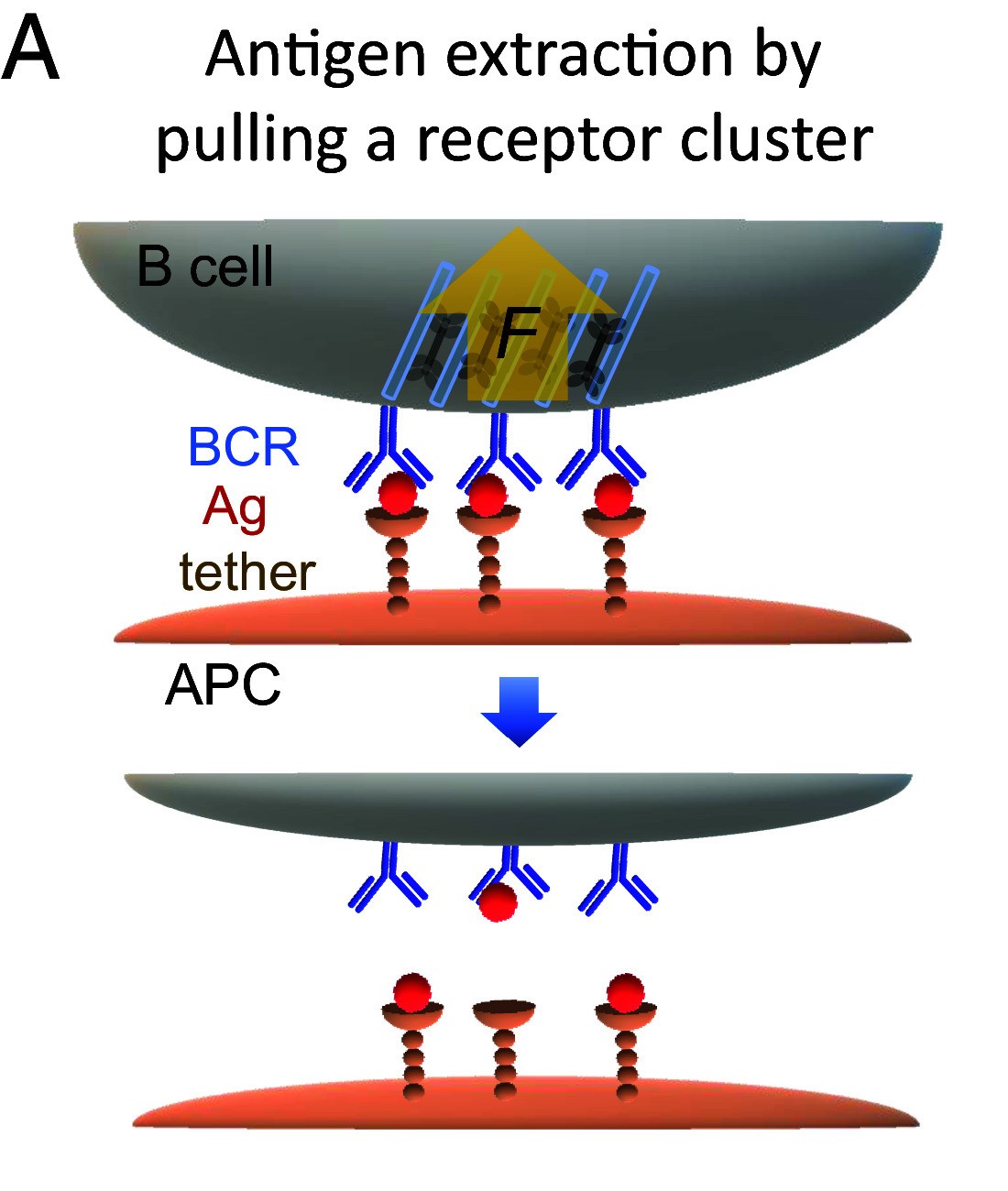
Follow-up work with Qing Xu and Hongda Jiang (PRX Life, 2026) proposes "adaptive mechanical proofreading": B cells adjust their pulling force in response to what they feel, which can make selection more faithful and gives a testable signature in how long cell contacts last. Wang also built the mathematical model in a 2023 Nature Immunology study, led by Pavel Tolar's lab at the Francis Crick Institute, on how antigen is stored and released by the cell network that displays it in germinal centers.
Rugged landscapes and learning machines
Evolution searches a "fitness landscape" of possible sequences, and mutations that interact (epistasis) can make that landscape rugged and hard to climb. Working with Nicholas Wu's lab at the University of Illinois, which mapped a complete antibody folding-stability landscape, Wang's group found that a few "epistatic hotspots", mutations that interact with many others, organize the landscape so that it becomes easier to navigate (PNAS, 2025).
The same physics-of-learning lens applies to artificial systems. With IBM researchers, the group built a simplified "effective model" of generative adversarial networks, a kind of AI image generator, treating the generator's outputs as interacting particles (PRX, 2023). It explains mode collapse, where the generator gets stuck producing only a few kinds of output, and shows that a regularizer of the right strength damps the training dynamics much like a critically damped spring.
Where it started: matter that moves itself
Wang's interest in living matter began with the cell's skeleton. Working with Peter Wolynes at UC San Diego, she developed a theory (PNAS, 2011) of how networks kicked by molecular motors can switch from rest to spontaneous, organized motion, an early contribution to the field now called active matter. The common thread through all of this work is physics that runs out of equilibrium, from motors in a cell to immune cells and learning machines.
Key papers
- On the spontaneous collective motion of active matterS. Wang, P. G. Wolynes · PNAS 108, 15184 (2011). arXiv:1106.6121
- Manipulating the selection forces during affinity maturation to generate cross-reactive HIV antibodiesS. Wang et al. · Cell 160, 785 (2015). MIT DSpace
- Immune cells use active tugging forces to distinguish affinity and accelerate evolutionH. Jiang, S. Wang · PNAS 120, e2213067120 (2023). arXiv:2209.13991
- Molecular tug of war reveals adaptive potential of an immune cell repertoireH. Jiang, S. Wang · Phys. Rev. X 13, 021022 (2023). arXiv:2209.13994
- Effective dynamics of generative adversarial networksS. Durr, Y. Mroueh, Y. Tu, S. Wang · Phys. Rev. X 13, 041004 (2023). arXiv:2212.04580
- Physical extraction of antigen and informationH. Jiang, S. Wang · PNAS 121, e2320537121 (2024). PMC
- Epistatic hotspots organize antibody fitness landscape and boost evolvabilityS. Schulz, T. J. C. Tan, N. C. Wu, S. Wang · PNAS 122, e2413884122 (2025). PNAS
- Adaptive mechanical proofreading toward robust yet tunable humoral immunityQ. Xu, H. Jiang, S. Wang · PRX Life 4, 023007 (2026). arXiv:2509.17422
More questions we are asking
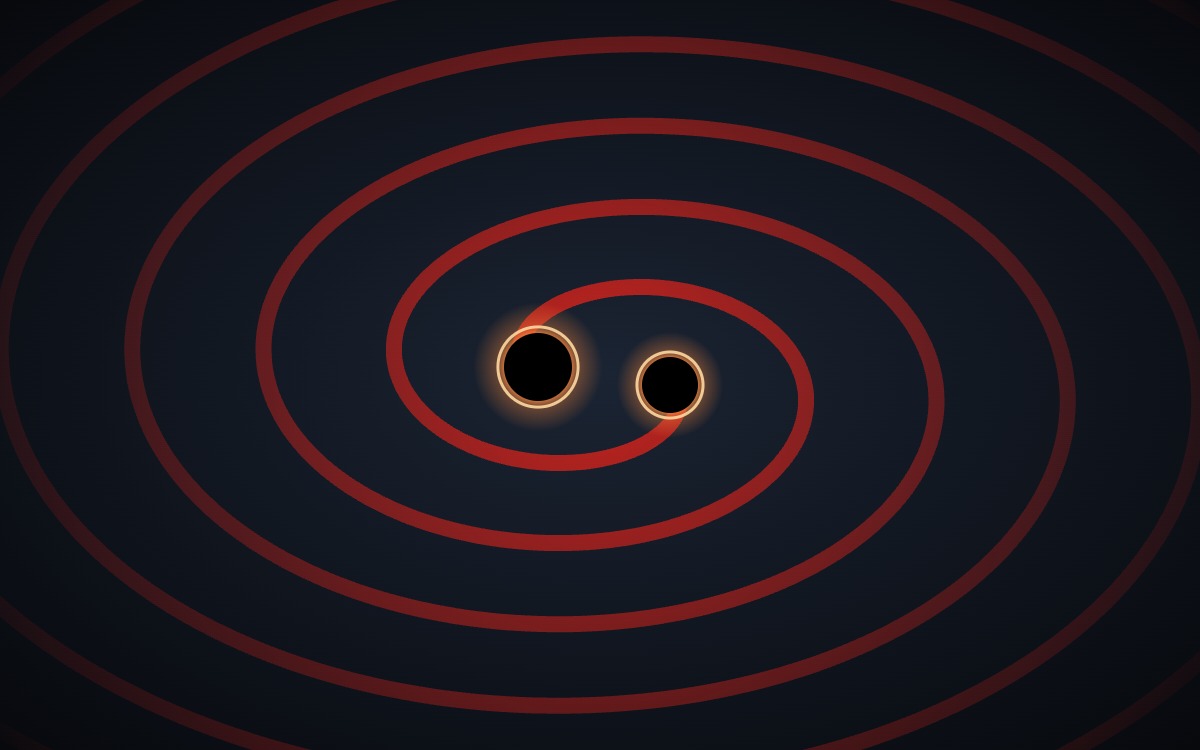 Gravity & amplitudesWhat can particle collisions teach us about colliding black holes?
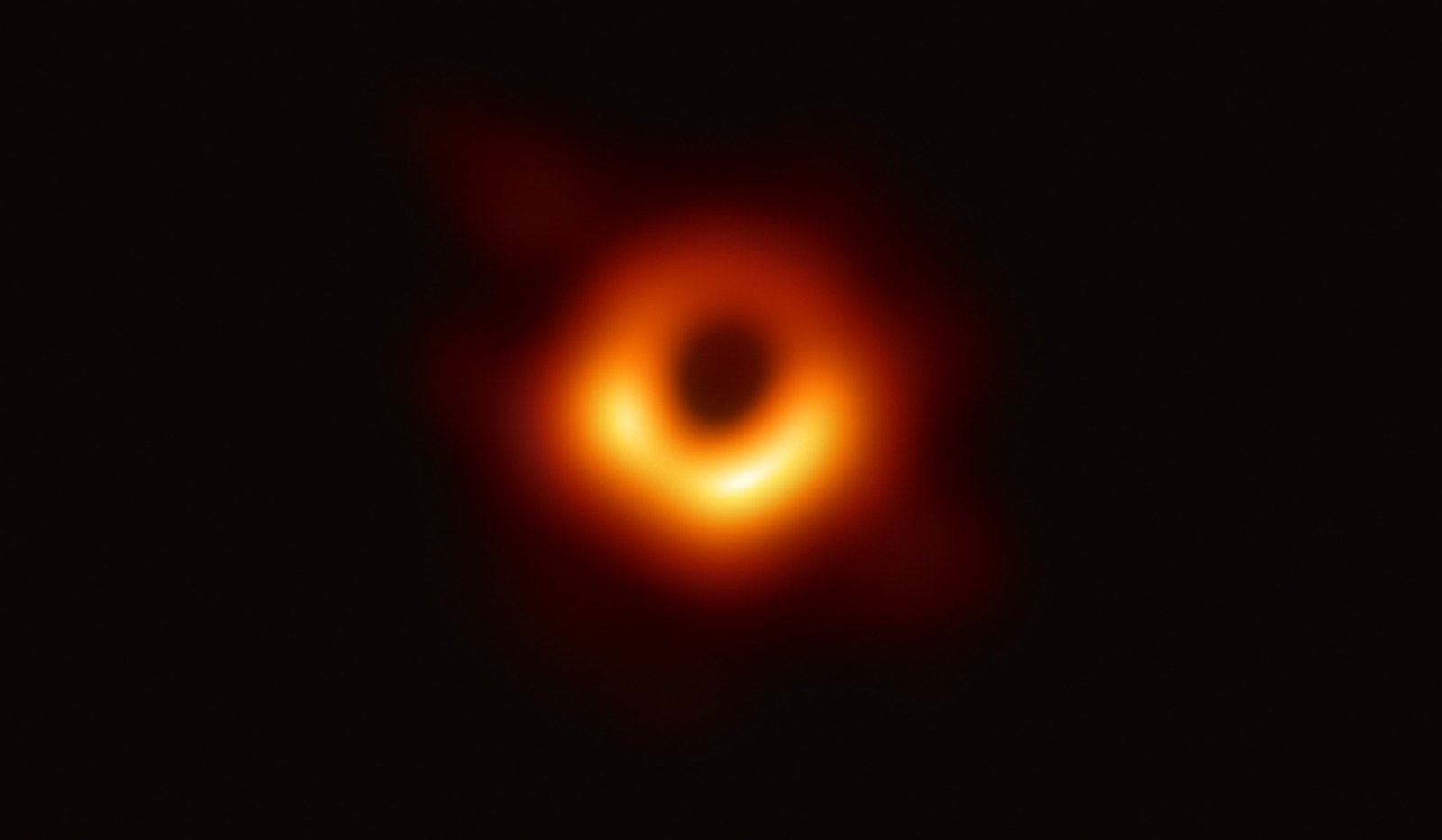 Quantum gravity & holographyWhat is spacetime made of?
 SymmetryWhat is a symmetry, and what does it forbid?
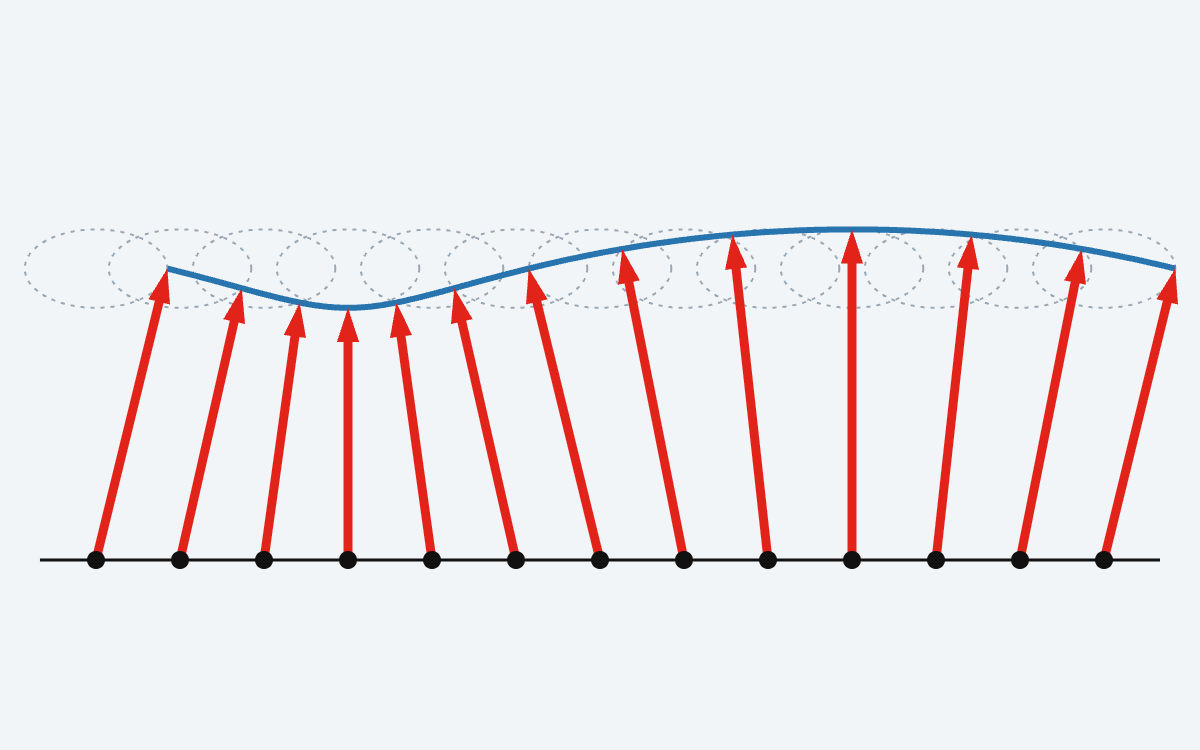 Quantum matterHow do spins, electrons and topology create new states of matter?
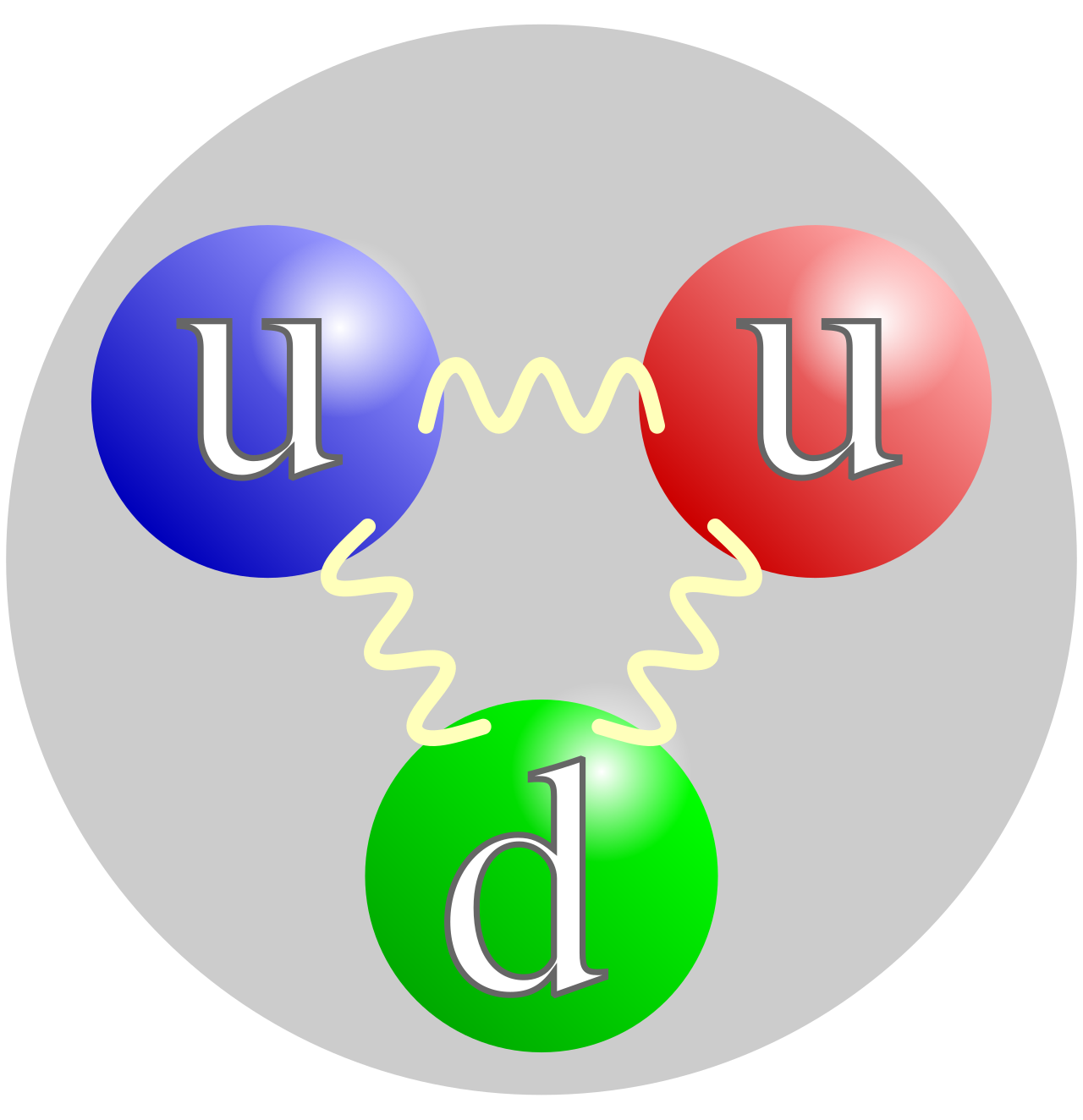 Inside the protonHow do quarks and gluons build the proton?
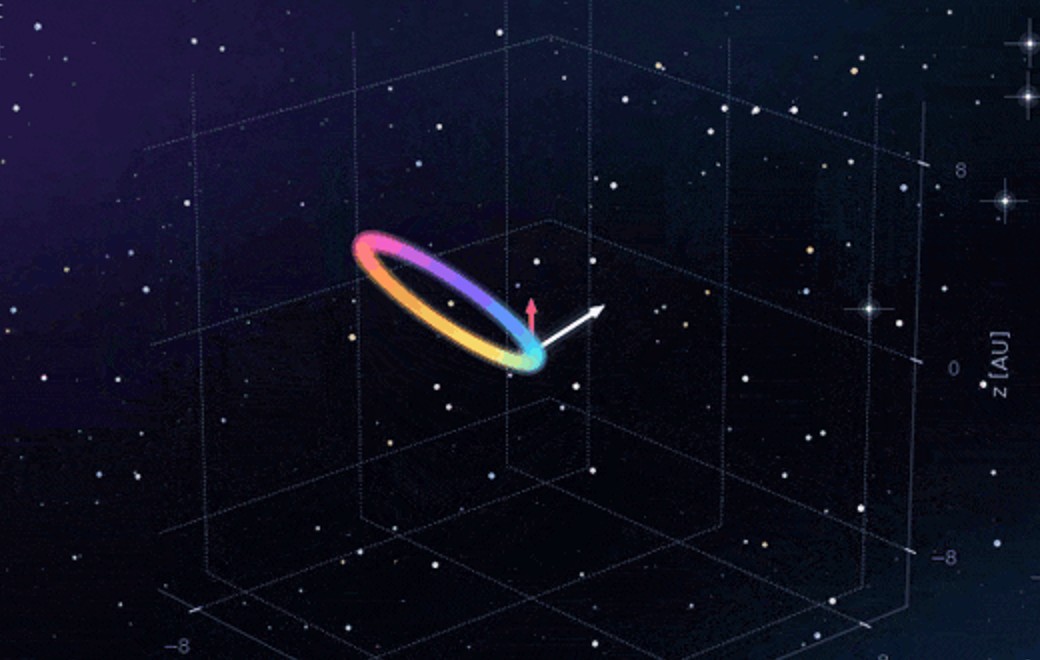 Planets, stars & black holesHow does gravity's many-body dance shape the cosmos?
 Extreme plasmasHow do cosmic plasmas make magnetic fields and cosmic rays?