
Upcoming Conferences and Workshops
California AI Amplitudes
This workshop/school is part of the California Amplitudes series, but modified to teach/discuss the uses of AI in theoretical physics, with an emphasis on case studies chosen from scattering amplitudes. While AI + ML has great potential to accelerate progress in our field, we humans still need to understand its potential, limitations, and best practices. The lectures will be organized into three components:
- the basics of machine learning methods;
- step-by-step case studies where ML helps or has great potential to help; and
- best practices and examples for AI-assisted (vibe) coding and agentic workflows.
Afternoon sessions will provide opportunities to ask questions about the morning lectures and brainstorm how ML methods might help address individual participants’ research problems. We plan to have hands-on sample problems for participants to work through.
The basic plan is three days of AI/ML lectures and discussion, with a fourth day possible if there is demand for participant talks, especially talks discussing work where AI/ML was used in amplitudes applications.
QCD Evolution 2027
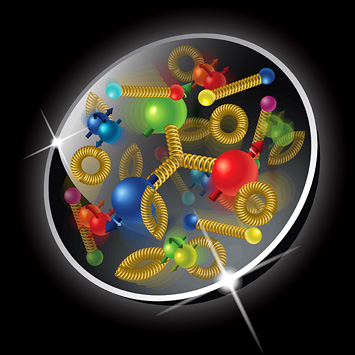
The QCD Evolution workshop series, running since 2011, brings together theorists and experimentalists to study the quark and gluon structure of hadrons and nuclei, with a focus on hadron tomography, QCD dynamics, and physics at Jefferson Lab and the future Electron-Ion Collider (EIC). Topics include parton distributions, generalized and transverse-momentum-dependent distributions, fragmentation functions, spin physics, small-x dynamics, lattice QCD, and effective field theories, as well as applications of AI and machine learning to QCD and hadron physics.
Past Conferences and Workshops
2026
Mani-Fest 2026
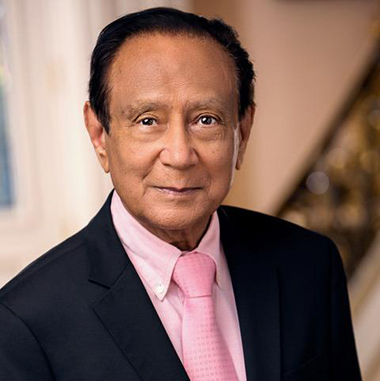
This workshop celebrates the 10th year of the Mani L. Bhaumik Institute for Theoretical Physics, as well as Dr. Mani L. Bhaumik's 95th birthday. The workshop will include topics on basic issues in quantum field theory, string theory, black holes, gravitational waves, and other topics. Speakers are selected from within the Mani L. Bhaumik Institute for Theoretical Physics to highlight the work being carried out at the Institute.
In 2016 Dr. Mani L. Bhaumik pledged the largest gift ever to the Department of Physics and Astronomy to create a world-class Institute for Theoretical Physics at UCLA. The Institute provides an outstanding research environment for our students and postdocs, and helps UCLA hire top-ranked new faculty. Prior to his distinguished career as a laser physicist, Dr. Bhaumik's love of theoretical physics began as a student in India where he learned about Kaluza-Klein theories from S. N. Bose (of Bose-Einstein fame), initiating his passion for deep questions in theoretical physics, especially as related to quantum field theory.
Strangeness in Quark Matter 2026
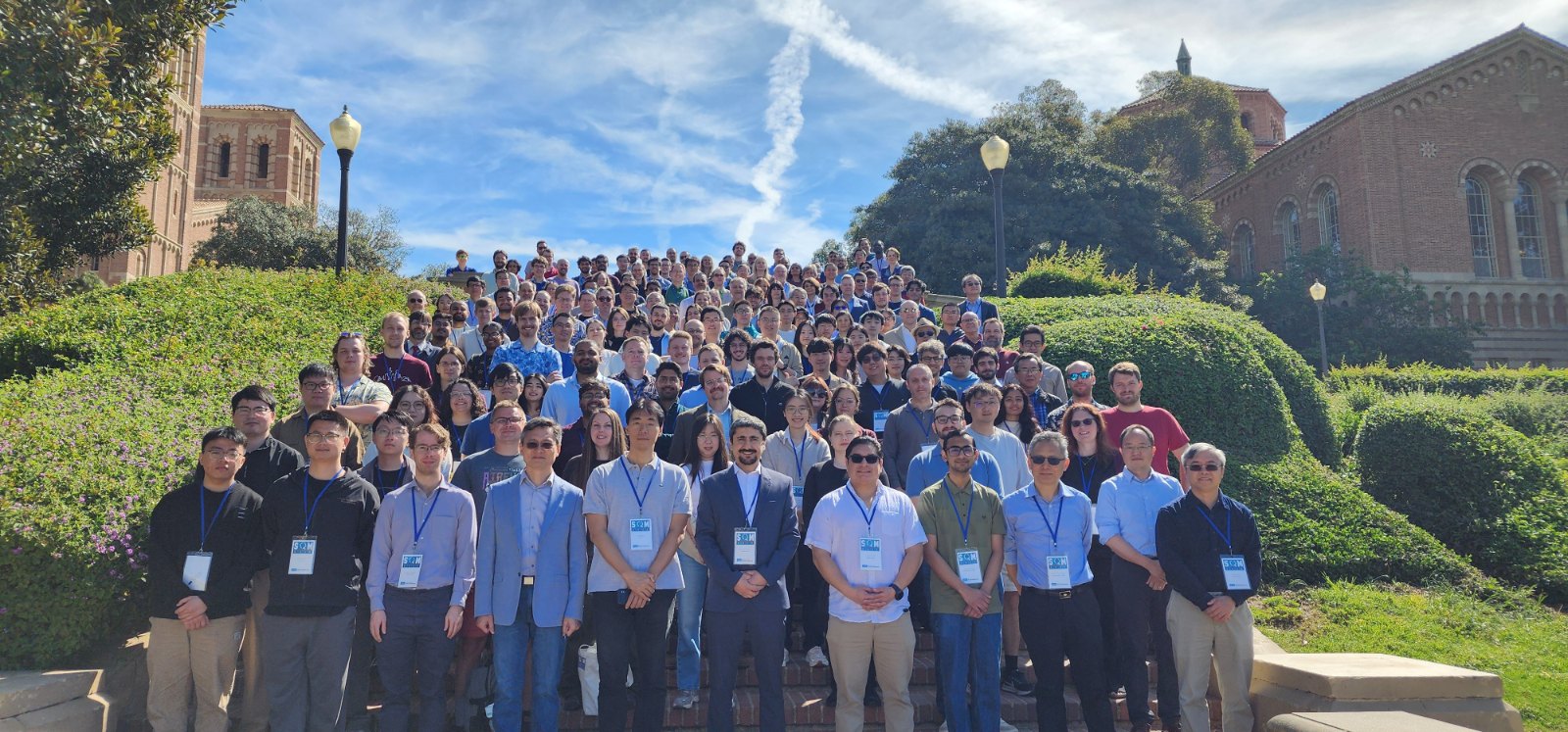
The 22nd International Conference on Strangeness in Quark Matter (SQM2026) will be held on the campus of University of California Los Angeles (UCLA) in March 22-27, 2026. The SQM conference series will continue to focus on strange and heavy quark probes of the quark-gluon plasma and astrophysical phenomena. SQM2026 will highlight recent experimental and theoretical achievements on broad physics topics related to high temperature and high energy/or baryon density quantum chromodynamics.
Accelerating Math and Theoretical Physics with AI
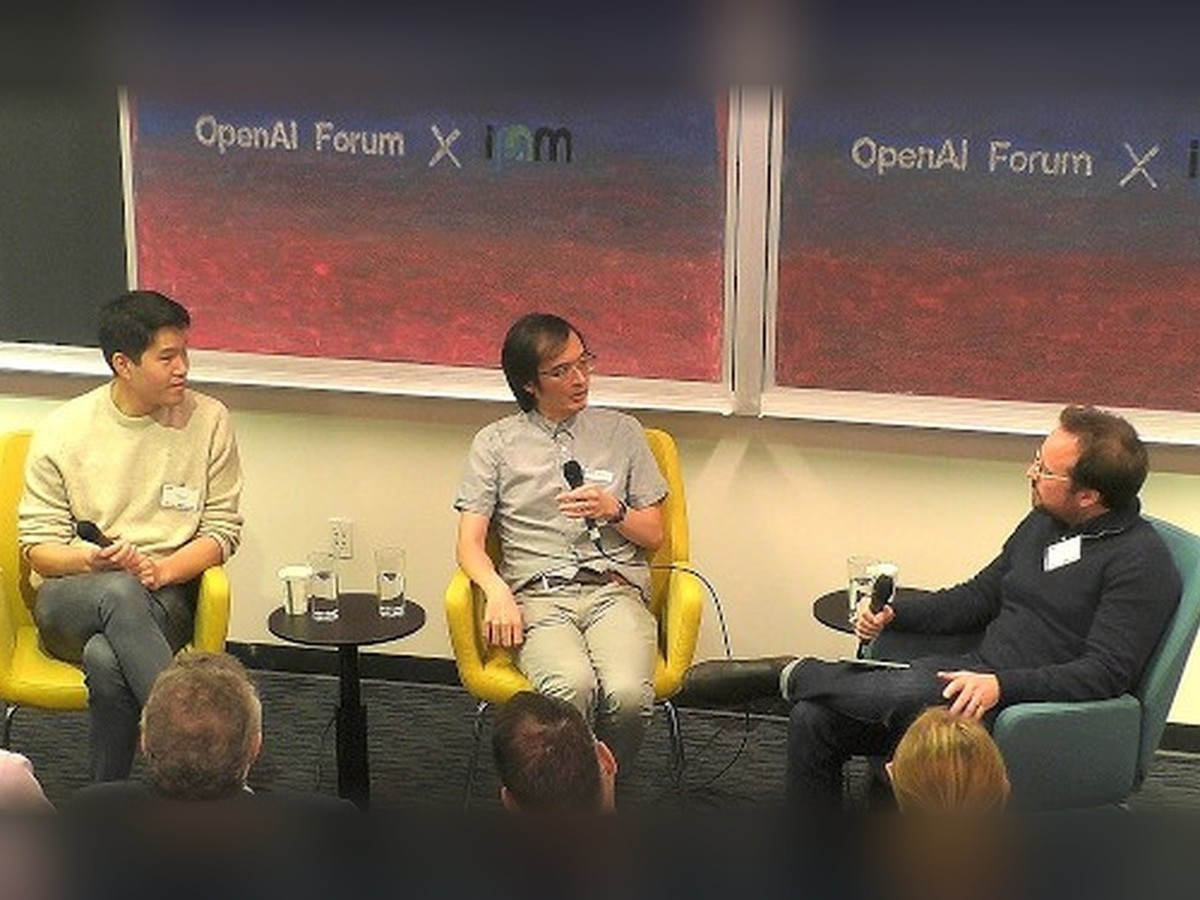
OpenAI is collaborating with UCLA’s Institute for Pure and Applied Mathematics (IPAM) and the Bhaumik Institute on a full-day convening of leading mathematicians, theoretical physicists, and AI researchers to explore how frontier reasoning models are beginning to accelerate discovery in highly abstract scientific domains. Through a sequence of focused lectures, disciplinary deep dives, and panel discussions, the program will highlight innovative applications of AI in mathematics and physics and offer researchers a front-row view of an emerging era in which AI acts as an accelerant for solving the hardest scientific problems. Mid-event, a fireside conversation between Terence Tao and Mark Chen will reflect on the past year of advancements in reasoning models and explore how AI is reshaping mathematical inquiry.
This year’s program builds upon last year’s widely viewed Tao–Chen discussion, which introduced the idea of AI as a “universal translator” capable of enabling researchers to meaningfully collaborate outside their own domains. This convening aims to bring that vision closer by educating, inspiring, and forging connections among researchers in service of accelerating scientific discovery. The day will culminate in the Bhaumik Public Lecture, delivered by Kevin Weil, who will share OpenAI for Science’s roadmap and ambitions to compress decades of scientific insight into years and expand what becomes possible when advanced AI systems meet human creativity.
2025
California Amplitudes 2025
We are hosting the California Amplitudes meeting on November 8th & November 9th, 2025. For those of you who have not participated in CAmplitudes in the past, it is a very informal annual meeting of people in California that work on scattering amplitudes and related topics.
We plan to follow a similar successful format as last time at UC Davis. we will have a couple of longer talks by non-CA speakers, half-hour talks and a gong show for students. Of course, there will be plenty of time for discussions.
We also plan to serve coffee and lunch. We look forward to welcoming you to UCLA for this exciting meeting!
Program and slides
Gong Show Talks, November 8th, 2025
Samuel Degen (UCLA), "Effects of Black Hole Environments on Gravitational Wave Signals"
Artyom Lisitsyn (UC Davis), "Non-planar MHV on-shell Diagrams"
Melvyn Nabavi (UC Davis), "The deformed Amplituhedron"
Umut Oktem (UC Davis), "Resumption of Negative Geometries"
Marcelo dos Santos (UC Davis), "Generalizations of Kinematics for loop-integrals"
Kshitij Gupta (UC San Diego), "Soft Gravitons during inflation"
Joonhwi Kim (UCLA), "Double Copy from Ambitwistor Worldline"
Curtis Zhou (UCLA), "Tensor Networks for Energy Correlators"
Justin Lemmon (UC Davis), "Gravity Tree Amplitudes at Infinity"
Tara Leininger (Caltech), "Double Copy of DBI"
Anna Wolz (UCLA), "Analyticity of the Black Hole S-Matrix"
Scheduled Talks, November 8th, 2025
Matteo Sergola (UCLA), "Hawking Radiation Meets the Double Copy"
Giulia Isabella (UCLA), "The Born Regime: From Love Numbers to the Analyticity of Classical Scattering"
Jaroslav Trnka (UC Davis), "Negative geometry expansion of scattering amplitudes"
Scheduled Talk, November 9th, 2025
Lance Dixon (SLAC), "Another 8 Loop Form Factor in Planar N=4 SYM"
2025 Southern California Strings
Hosted by the Mani L. Bhaumik Institute for Theoretical Physics, UCLA Department of Physics and Astronomy. Speakers: Cumrun Vafa (Harvard), Amey Gaikwad (UCLA), Ho Tat Lam (Stanford/USC), and John McGreevy (UCSD).
SURGE 2025
We are thrilled to announce that the 2025 Saturated Glue (SURGE) Collaboration Meeting and Workshop will be hosted by the University of California, Los Angeles (UCLA) from June 23 to June 25, 2025.
The meeting will take place in the Physics and Astronomy Building (PAB), Conference Room 2-434, starting at 9:00 AM on Monday, June 23, and concluding at 12:00 PM on Wednesday, June 25.
The SURGE Collaboration is a Department of Energy (DOE)-supported Topical Collaboration in Nuclear Theory. Our mission is to discover and explore the gluon saturation regime of quantum chromodynamics (QCD). We aim to advance high-precision calculations and develop a comprehensive framework to compute observables, enabling meaningful comparisons with a wide range of experimental data, including predictions for the upcoming Electron-Ion Collider (EIC).
2023
50 Years of Quantum Chromodynamics
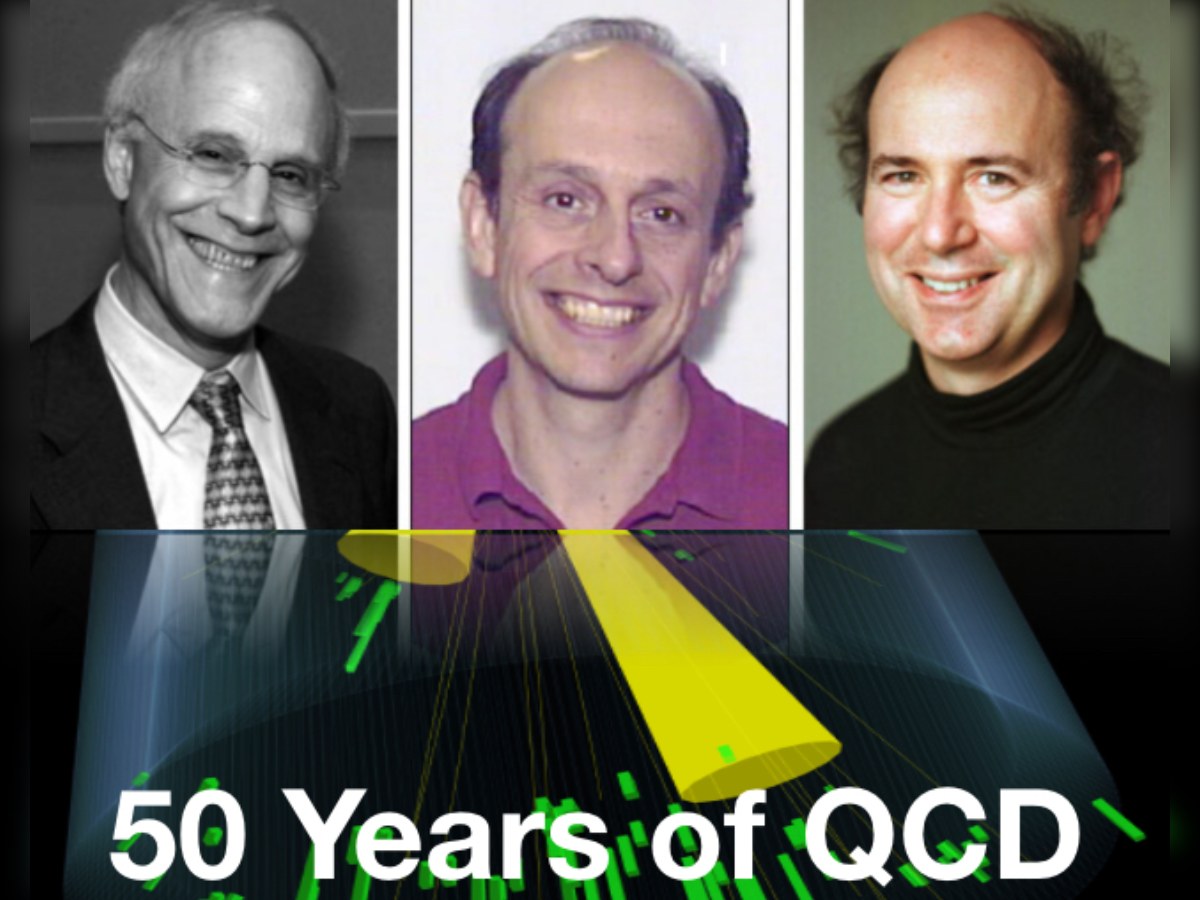
Quantum Chromodynamics (QCD) is one of the pillars of the Standard Model of particle physics. It describes the strong interaction - one of the four fundamental forces of nature. This force holds quarks and gluons - collectively known as partons - together in hadrons such as the proton, and protons and neutrons together in atomic nuclei. QCD was developed and defined over a brief period from 1972 - 73. One hallmark of QCD is asymptotic freedom, which states that the strong force between quarks and gluons decreases with increasing energy. The asymptotic freedom of strong interactions was discovered in 1973 by David Gross, Frank Wilczek, and David Politzer, who shared the Nobel Prize in physics in 2004. The year 2023 is the opportune time to celebrate 50 years of remarkable progress and achievements in the field of QCD and to provide guidance for the community effort for years to come.
To celebrate this, we are planning a five-day conference to be held at UCLA during September 11 - 15, 2023. This conference will provide a broad overview of the past and future of QCD, including its impact on and connection to other fields.
2022
QCD Meets Gravity 2022
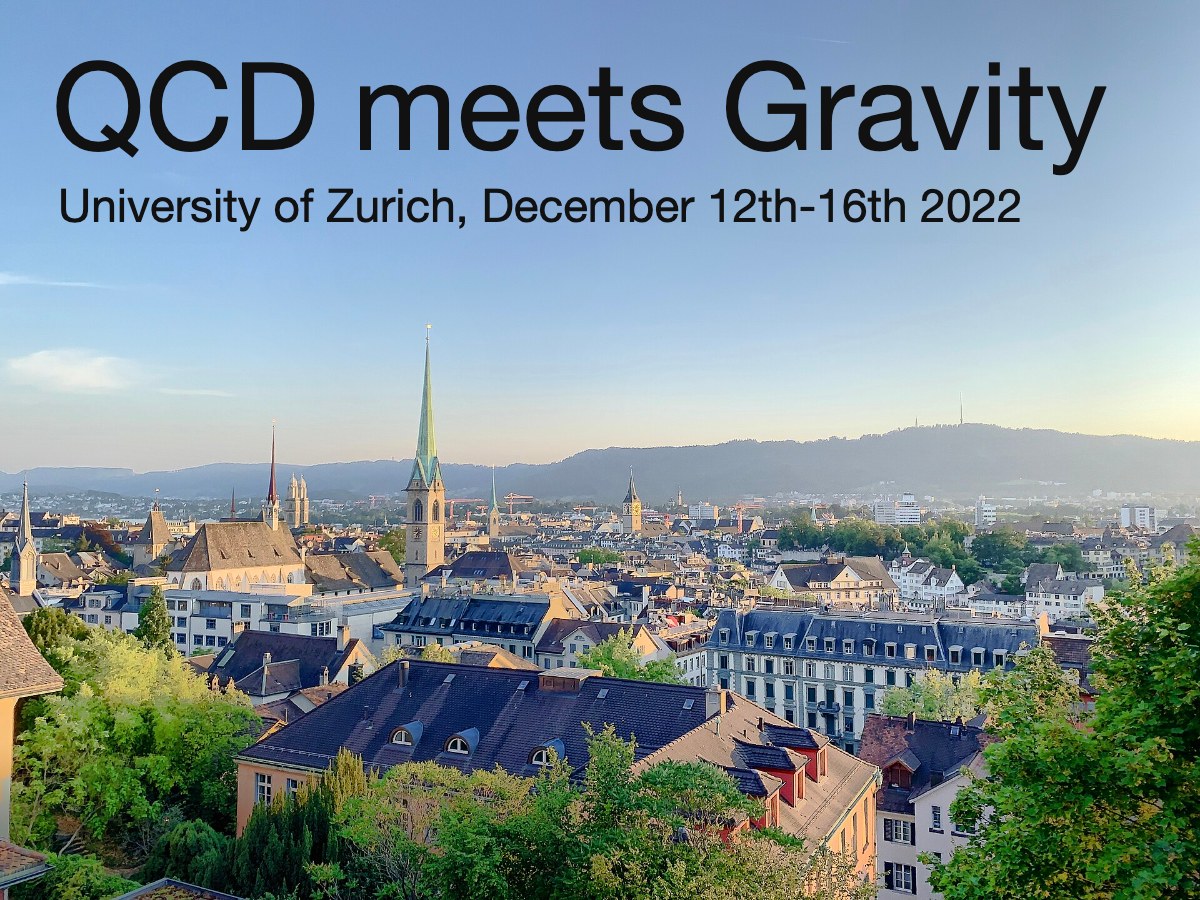
QCD Meets Gravity 2022 will be held Dec 12-16 in Zurich.
SchwingerFest 2022: g-2
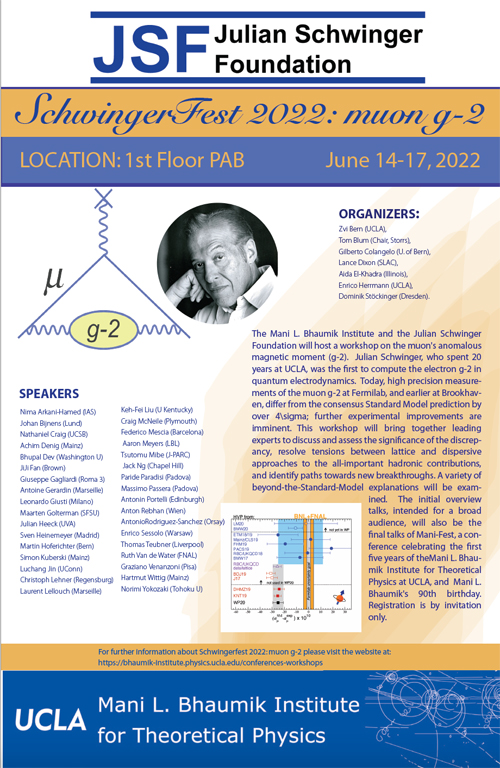
The Mani L. Bhaumik Institute and the Julian Schwinger Foundation will be hosting a workshop on the latest developments on the anomalous magnetic moment of the muon. Julian Schwinger, who spent 20 years at UCLA, was the first to calculate the anomalous magnetic moment of the electron in quantum electrodynamics.
Today, high precision measurements of the anomalous magnetic moment of the muon from the Fermilab g-2 experiment and the earlier Brookhaven one point to physics beyond the Standard Model at the level of 4 sigma, with much greater improvement on the horizon. To properly assess the significance of the experimental results, tensions in the theoretical evaluation of the hadronic contributions need to first be resolved. In order to fully interpret the current and upcoming experimental results, it is essential to improve the theoretical uncertainty in difficult to compute hadronic contributions to the anomalous magnetic moment. The primary purpose of this workshop is to bring together leading experts to assess the situation, resolve tensions between different theoretical calculations in lattice gauge theory and dispersive approaches, and to identify paths towards new breakthroughs. The latest developments on possible beyond the Standard Model explanations will also be discussed. The first few overview talks, suitable for a broad audience, will also be part of the final talks at Mani-Fest, which is a separate conference celebrating the first five years of the Mani L. Bhaumik Institute for Theoretical Physics at UCLA, as well as Mani L. Bhaumik's 90th birthday. Registration is by invitation only.
Mani-Fest 2022: Directions in Theoretical Physics

This conference celebrates the 5th year of the Mani L. Bhaumik Institute for Theoretical Physics, as well as Dr. Mani L. Bhaumik's 90th birthday. (This conference is more than a year late due to the pandemic.) The workshop will include topics on basic issues in quantum field theory, string theory, black holes and gravitational waves and other topics. Speakers include Nima Arkani-Hamed, Barry Barish, Steven Chu, David Gross, Juan Maldacena, Eva Silverstein, Claudio Pellegrini, Lenny Susskind, and three young UCLA professors to represent current and future work at the Bhaumik Institute.
In 2016 Dr. Mani L. Bhaumik pledged the largest gift ever to the Department of Physics and Astronomy to create a world-class Institute for Theoretical Physics at UCLA. The Institute provides an outstanding research environment for our students and postdocs, and helps UCLA hire top-ranked new faculty. Prior to his distinguished career as a laser physicist, Dr. Bhaumik's love of theoretical physics began as a student in India where he learned about Kaluza-Klein theories from S. N. Bose (of Bose-Einstein fame), initiating his passion for deep questions in theoretical physics, especially as related to quantum field theory.
This conference will end with overview talks that kick off a specialized workshop on the theoretical interpretation of recent exciting results from the ongoing Fermilab Muon g-2 Collaboration, hinting at new physics beyond the Standard Model. The talks will be colloquium-style and suitable for a broad audience.
2021
QCD Meets Gravity 2021
This is the 7th in a series of meetings for researchers interested in the remarkable correspondence between Yang-Mills theory and gravity, known as the double-copy construction. Due to the continuing pandemic the meeting will be on line, following a similar format as used last year. The meeting brings together experts in both gauge and gravity theories including supersymmetric extensions and focuses on bringing the methodologies developed for gauge theories to handle problems in gravity.
An early manifestation of this is the KLT relations. The BCJ double-copy construction has greatly simplified multiloop perturbative computations in gravity theories, leading to new insight into the ultraviolet properties of gravity theories. Currently, there is an intense global research activity to understand the origin of the relationship as well as to apply it to more general classical solutions in General Relativity, including the important problem of gravitational radiation from compact astrophysical objects. This year significant component will be devoted to discussing recent developments on gravitational EFTs that arise from unitarity and positivity. Registration will not be necessary since everything will be available via zoom.
Previous workshops in this series:
- QCD Meets Gravity I, Higgs Centre, Edinburgh, April 2016.
- QCD Meets Gravity II, Bhaumik Institute, UCLA, December 2016.
- QCD Meets Gravity III, Bhaumik Institute, UCLA, December 2017.
- QCD Meets Gravity IV, Nordita, December 2018.
- QCD Meets Gravity V, Bhaumik Institute, December 2019.
- QCD Meets Gravity VI, Northwestern, December 2020.
QCD Evolution Workshop 2021
A main objective of QCD Evolution Workshop is to provide a forum to discuss the recent scientific accomplishments in areas such as Transverse Momentum Distributions (TMDs), Generalized Parton Distributions (GPDs), and small-x physics, together with advances in perturbative and non-perturbative techniques within Quantum Chromodynamics (QCD), such as lattice QCD and effective field theory techniques.
California Amplitudes Meeting 2021
We are hosting the virtual California Amplitudes meeting on March 24/25 2021. For those of you who have not participated in CAmplitudes in the past, it is a very informal annual meeting of people in California that work on scattering amplitudes and related topics.
This year we are opening the meeting to a slightly wider audience and perhaps there will be around 40 participants in total. We will have a couple of longer talks by non-CA speakers, several shorter talks by locals, and plenty of time for discussions.
2020
QCD Evolution Workshop 2020
A main objective of QCD Evolution Workshop is to provide a forum to discuss the recent scientific accomplishments in areas such as Transverse Momentum Distributions (TMDs), Generalized Parton Distributions (GPDs), and small-x physics, together with advances in perturbative and non-perturbative techniques within Quantum Chromodynamics (QCD), such as lattice QCD and effective field theory techniques.
2019
QCD Meets Gravity Workshop 2019
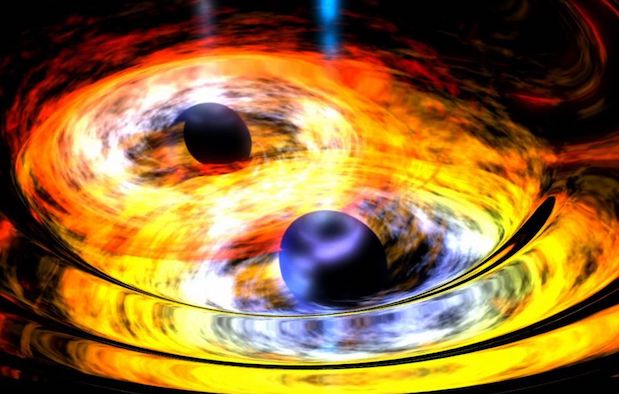
This is the fifth in a series of meetings for researchers interested in the remarkable correspondence between Yang-Mills theory and gravity, known as the double-copy construction. An early manifestation of this is the KLT relations.
The BCJ double-copy construction has greatly simplified multiloop perturbative computations in gravity theories, leading to new insight into the ultraviolet properties of gravity theories. Currently there is an intense global research activity to understand the origin of the relation as well as to apply it to more general classical solutions in General Relativity, including the important problem of gravitational radiation from compact astrophysical objects. This meeting brings together experts in both gauge and gravity theories including supersymmetric extensions, and focus bringing the methodologies developed for gauge theories to handle problems in gravity.
Previous workshops in this series:
Sudipfest 2019
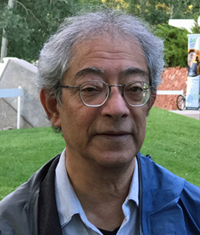
This three-day workshop will celebrate the career of Distinguished Professor Sudip Chakravarty, UCLA Physics & Astronomy.
Professor Chakravarty's research interest involves quantum theory of collective behavior of electronic systems. He is interested in theories of high temperature superconductivity, dissipative quantum systems, quantum phase transition and criticality, localization transition in interacting systems, and the concept of von Neumann entropy in quantum phase transitions. He is currently actively interested in competing electronic states in high temperature superconductors, in particular in understanding the surprising magnetic quantum oscillations discovered recently in these superconductors.
His past accomplishments include theories of quantum phase transition in double well and arrays of Josephson junction systems coupled to a dissipative bath, criticality of Ising spin glass through high-order series expansion, path-integral analysis of electronic weak localization in disordered electrons, quantum magnetism and criticality in Heisenberg magnets in relation to high temperature superconductors, electron-electron interaction based mechanism of superconductivity in doped fullerenes, frustrated kinetic energy driven superconductivity in multilayered high temperature superconductors, and the proposal of the hidden d-density wave order as an explanation of the enigmatic pseudogap phase in high temperature superconductors, which he is still vigorously pursuing.
UCLA 2019 Santa Fe Jets and Heavy Flavor Workshop
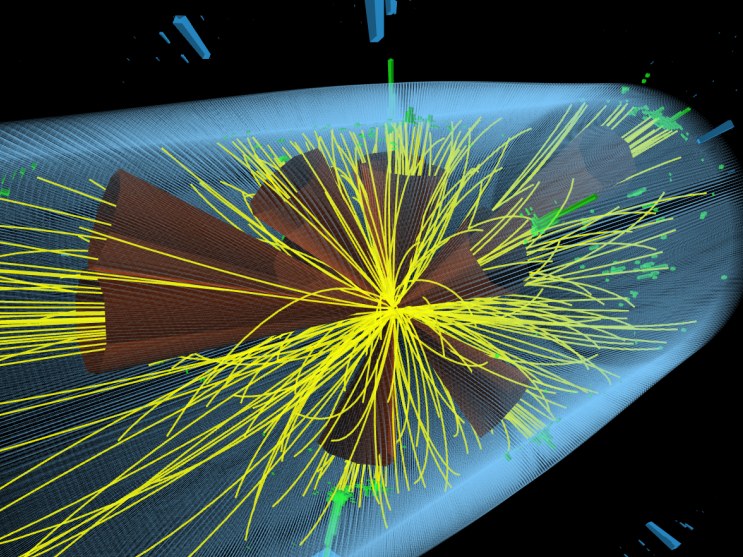
This workshop, to be held at the UCLA IDRE Portal in the Math Sciences Building, will bring together senior researchers, postdoctoral fellows and talented graduate students to discuss the exciting recent developments and future directions in high energy and nuclear science. The purpose of the 2019 Santa Fe Jets and Heavy Flavor workshop is to summarize the accomplishments and provide guidance for the community effort in the areas of hadronic jets, jet substructure, quarkonia and open heavy flavor, with emphasis on perturbative Quantum Chromodynamics (pQCD) and Soft Collinear Effective Theory (SCET).
2018
SchwingerFest 2018: g-2
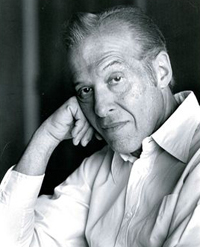
2018 is Julian Schwinger's Centennial. To help celebrate Julian Schwinger's legacy, the Mani L. Bhaumik Institute and the Julian Schwinger Foundation will be holding a workshop on the latest developments on the anomalous magnetic moment of leptons, especially the muon. A long-standing 3 sigma discrepancy between theory and experiment points towards new physics beyond the Standard Model. Is it real?
This workshop is particularly timely given the ongoing Fermilab muon g-2 experiment, which will reach unprecedented precision. In order to fully interpret the upcoming experimental results, it is essential to improve the theoretical uncertainty in difficult to compute hadronic contributions, especially to the light-by-light contribution. Recent progress in lattice gauge theory calculations suggests that it is possible to achieve this. The primary purpose of this workshop is to bring together leading experts to assess the situation and to identify paths towards new breakthroughs.
Frontiers of Neurophysics: an exploration of the interface of physics and neuroscience
This workshop, hosted by the Bhaumik Institute of Theoretical Physics and the UCLA Center for Biological Physics, explores the emerging connections between physics and neuroscience as part of the UCLA Julian Schwinger Centennial Celebration. Topics include:
- Information theory and neural encoding of sensory data
- The application of the theory of nonlinear dynamical systems to neural networks
- The statistical physics of nonlinear actors on quenched random networks
Workshop on Controlled Fabrication of NV Centers in Diamonds
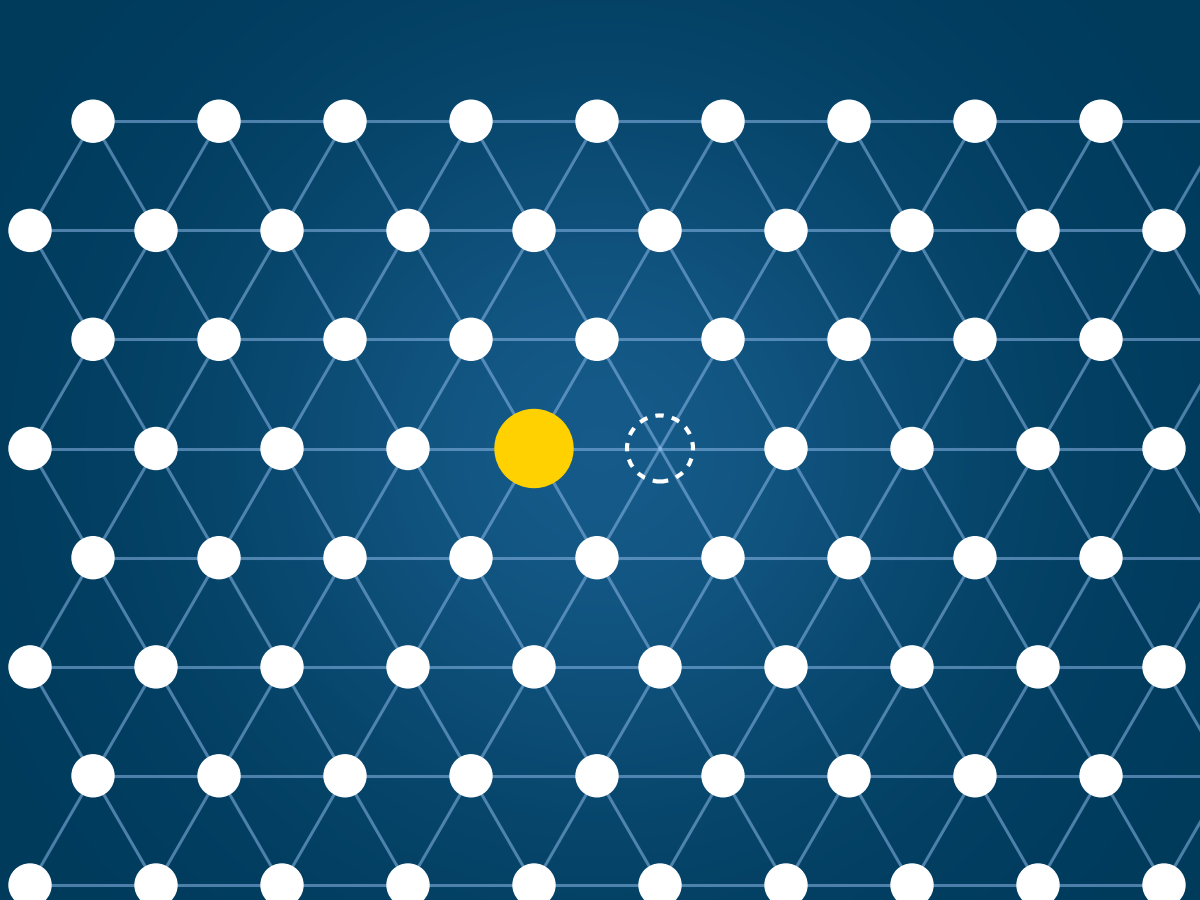
The properties of NV centers in diamonds have been extensively explored over the past 20 years. Single-site experiments with extraordinary precision and resolution have been demonstrated, raising expectations for revolutionary metrology/spectroscopy applications. However, all potential applications require a highly reproducible and precise placement of NV centers in pure synthetic diamond crystals.
Confronted with the requirements of proposed applications, the Workshop intends is to examine the limits and potentials of techniques used to control the NV center’s concentration, orientation, and relative depth below the diamond surface, while maintaining their excellent sensing properties. Ultimately, realizing the full potential of many of the proposed applications will require producing NV centers at a precision, scale and cost beyond what is currently possible. By bringing together experts in CVD, MWP-CVD growth, ion-implantation, and diamond processing with the instrument builders who are using the NV centers, the workshop will explore the intersection of future needs with manufacturing capabilities.
2017
QCD Meets Gravity Workshop 2017
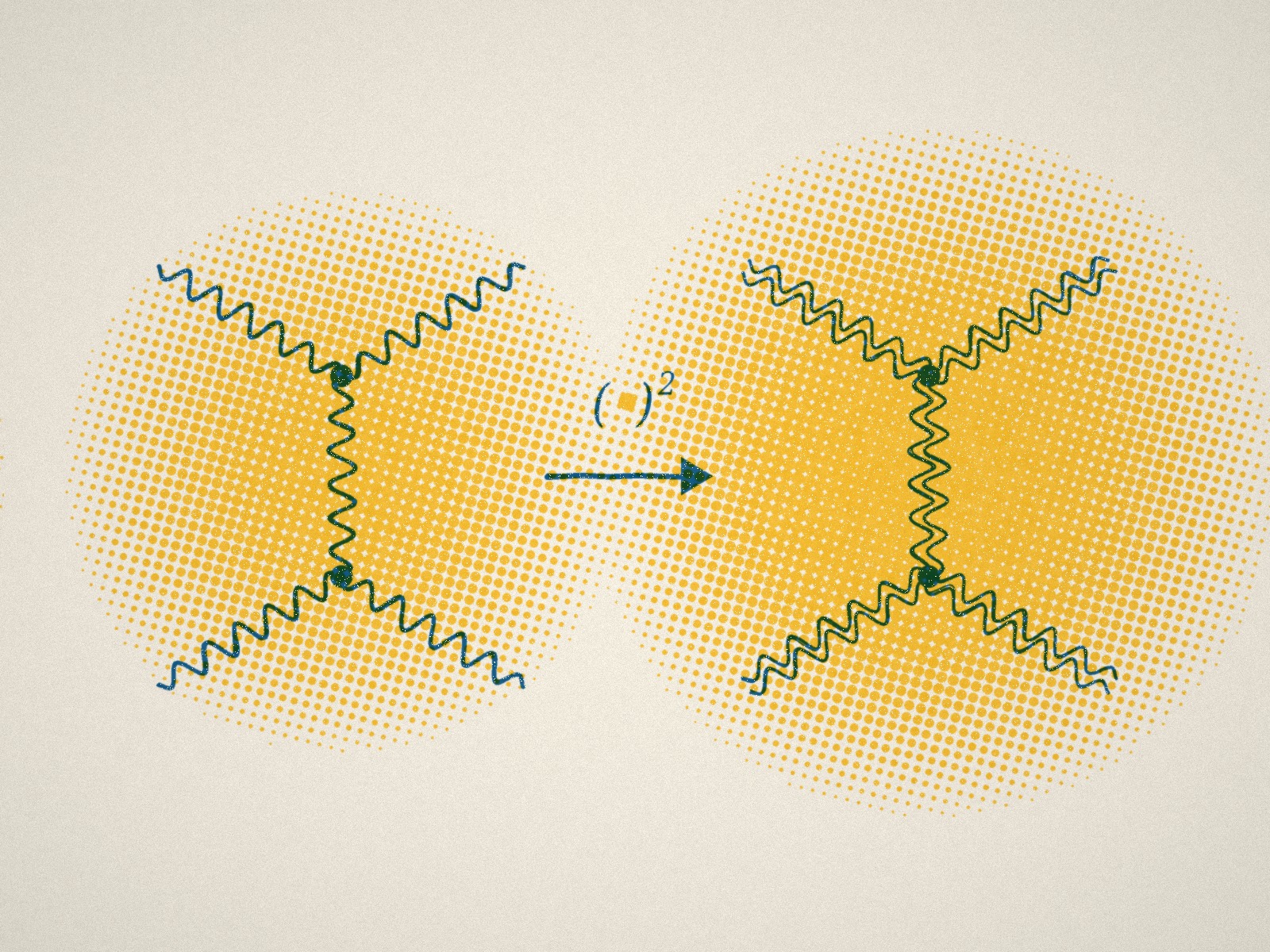
This is the third in a series of meetings for researchers interested in the remarkable correspondence between Yang-Mills theory and gravity, known as the double-copy construction. An early manifestation of this is the KLT relations.
The BCJ double-copy construction has greatly simplified multiloop perturbative computations in gravity theories, leading to new insight into the ultraviolet properties of gravity theories. Currently there an intense global research activity to understand the origin of the relation as well as to apply it to more general classical solutions in General Relativity. This meeting will bring together experts in both QCD and gravity (including supersymmetric extensions), and focus on the development of common methodologies for handling both theories.
Advances in QCD and Applications to Hadron Colliders Workshop
There have been exciting recent progress in the field of QCD, including: new understanding of factorization, resummation and power corrections that give insight into effective field theories; a new ability to compute NNLO and beyond perturbative corrections that allow precision jet phenomenology at the LHC and other future colliders; better organizing principles for computing multi-loop corrections; the development of new parton showers with higher-order matching; and, many other new advances. This workshop will bring together a small group of experts to allow for targeted discussions that identify possible future advances that merge these new ideas.
Topical Workshop on QCD Structure of Nucleons in the Modern Era
The fundamental laws of QCD are elegantly concise; however, understanding the structural complexity of nucleons in terms of quarks and gluons governed by those laws is one of the most important challenges facing subatomic physics today, and is of fundamental importance in science. There have been tremendous advancements and breakthroughs following the vast investigations in the last few decades. Current and future projects at world facilities, such as RHIC at Brookhaven National Lab and CEBAF at Jefferson Lab, and the planed electron-ion collider (EIC) in the US, will undoubtedly provide new opportunities to further deepen our understanding of the fundamental questions associated with QCD structure of nucleons. In particular, the EIC will provide unprecedented precision in exploring the nucleon structure and address many of the outstanding questions. In line with these experimental advances and future plans, we envision that the theory developments must follow.
QCD Chirality Workshop 2017
The Workshop on Chirality, Vorticity and Magnetic Field in Heavy Ion Collisions will be held at UCLA from March 27 through March 30, 2017. The workshop will cover recent theoretical developments and experimental measurements related to these topics.
2016
QCD Meets Gravity Workshop 2016

This is the second in a series of meetings for researchers interested in the remarkable correspondence between Yang-Mills theory and gravity, known as the double-copy construction. An early manifestation of this is the KLT relations.
The BCJ double-copy construction has greatly simplified multiloop perturbative computations in gravity theories, leading to new insight into the ultraviolet properties of gravity theories. Currently there an intense global research activity to understand the origin of the relation as well as to apply it to more general classical solutions in General Relativity. This meeting will bring together experts in both QCD and gravity (including supersymmetric extensions), and focus on the development of common methodologies for handling both theories.
California Amplitudes Meeting 2016
This is the second in a series for meetings for researchers in California interested in scattering amplitudes. The first was held at UC Davis.
The focus is on recent topic in scattering amplitudes, including mathematical aspects of positive Grassmannian and Amplituhedron, non-planar on-shell diagrams, ratio functions in N=4 SYM, symbols and the basis of hexagon functions, multi-loop integrated amplitude, the CHY formula, BCJ duality, double-copy relations and applications to effective field theories.